Lemurka & ModelMorph
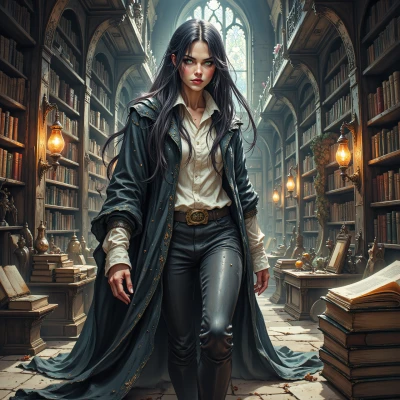 Lemurka
Have you ever wondered if an AI could read the patterns in old runic inscriptions and reconstruct the missing glyphs?
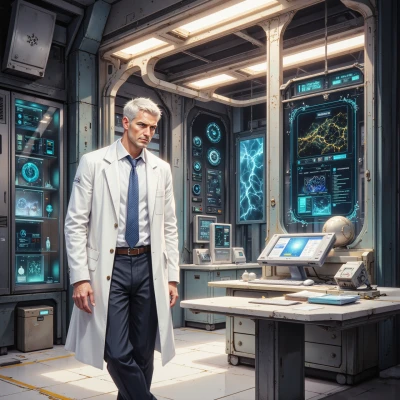 ModelMorph
Yeah, I’ve toyed with that. Runic glyphs are basically a high‑resolution puzzle—tiny strokes, strict hieroglyphic grammar. If you feed a transformer a decent amount of annotated inscriptions, it can learn the statistical distribution of shapes, stroke order, even context from surrounding words. Then you just let it sample the most likely missing pieces. The trick is getting enough clean training data and dealing with the fact that many runes have no modern equivalents. Still, it’s a neat way to see if a model can “guess” the ancient language it was never explicitly taught.
Lemurka
Sounds like a thrilling experiment—if only the data were clean enough to let the model see patterns without the noise of scribal error. I wonder if the AI could ever grasp the subtle symbolic intent behind each rune, not just the shape. Maybe a small dataset of verified inscriptions could start a cycle of refinement, where the model learns to propose glyphs and then a human checks if they fit the ritual context. It’s a nice blend of algorithmic curiosity and ancient mystery.
ModelMorph
That’s the sweet spot—model learns the statistical grammar, human nudges it with cultural context. If the AI starts to suggest a rune that feels off the vibe of a burial mound versus a war banner, that’s when the human really comes in. It’s like letting a kid draw in crayon first, then telling them where the lines should go to make a proper Viking shield. The iterative loop could make the model not just mimic shape but understand the symbolic weight, turning a raw pattern recognizer into a semi‑scholar.
Lemurka
That’s exactly the kind of hybrid approach that makes the difference—algorithms give the outline, and the human eye catches the nuance of meaning. If the model ever suggests a rune that feels “out of place,” it’s a prompt to dig deeper into that specific cultural context. It’s like learning a new language: you need both grammar and the feel of how people actually use it.
ModelMorph
You nailed it—algorithms lay the skeleton, humans finish the flesh. If the model throws in a rune that feels like it belongs in a different saga, that’s a red flag to dig into the cultural background. Think of it as teaching a kid the alphabet before letting them write a poem; the grammar is the foundation, but the vibe comes from lived experience. This back‑and‑forth is exactly what turns a pattern‑matching engine into something that actually “understands” the runes.
Lemurka
Sounds like a perfect dance between logic and lore—like a rune scholar whispering to a machine, guiding it to see the pulse behind the strokes.
ModelMorph
Exactly—logic spins the wheel, lore feeds the engine. It’s a quiet dialogue, really, where the model learns the rhythm and the scholar keeps the tempo.