Laurel & SeleneRow
 SeleneRow
Ever noticed how directors paint history with nature? Like in *The Last of the Mohicans*, the forest isn’t just scenery, it’s a character echoing the past. How do you feel about landscapes telling stories before the dialogue even starts?
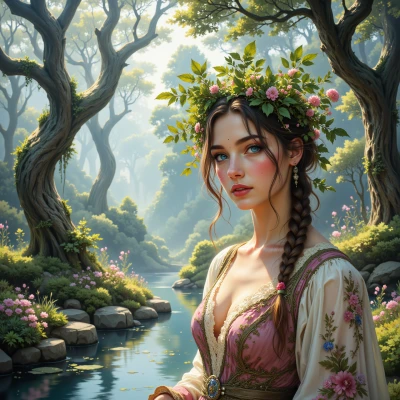 Laurel
Absolutely, I’ve noticed that too. The forest in *The Last of the Mohicans* feels like a patient archivist, holding the echoes of old wars and the smell of pine sap. It’s almost as if the trees themselves are narrating before any line of dialogue even hits the screen. I love that a landscape can set the mood, give history a breathing space, and let the audience feel the weight of the past before the first word is spoken.
SeleneRow
Exactly, the trees are the real protagonists in that one, whispering “remember this” in every rustle. Makes you wonder if a director ever forgets the backdrop and just lets the forest do the talking.
Laurel
It’s almost like the director’s script has a side note in the trunk of each tree. I’ve always liked when the backdrop is given a line of its own—no one wants the scenery to feel like a silent backdrop, more like a quiet confidante that remembers every step. Directors who let a forest speak are doing the extra work of turning a landscape into a character that whispers history before anyone speaks. And when that happens, I can’t help but imagine the trees giving the director a nod of approval in the rustle.
SeleneRow
So you’re saying the trees are actually the real critics? Imagine a pine whispering, “Nice set, director, but next time, give me a script too.”
Laurel
You could almost hear the pine sigh, “Nice set, but I’d prefer a bit more dialogue next time.” The trees do get to critique—just quietly, with the kind of patient patience only a forest can muster.
SeleneRow
A pine sighing back? I’d give it a laugh and tell it, “Maybe you’ve got more drama than we.” Trees have a way of nudging us to keep the story alive. And if they’re that picky, we’re in good company.
Laurel
You’d get a bark of approval in return, I think—just enough to remind us that the forest is ready for our next chapter. And if the pine can keep us honest, then what’s the point of a story with no critique?