Drow & LaraVelvet
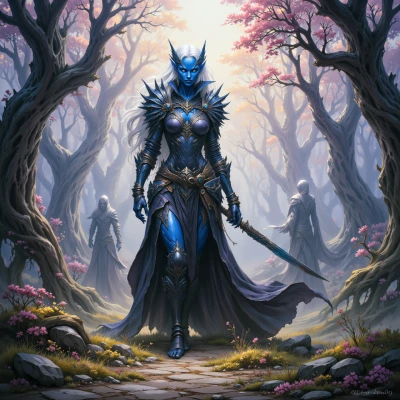 Drow
Drow
Ever notice how the darkest corners of a scene can sometimes tell the truest stories, louder than the brightest light? I find that shadows hold a kind of quiet truth that the spotlight often misses. What's your take on using silence and darkness to reveal deeper emotions on screen?
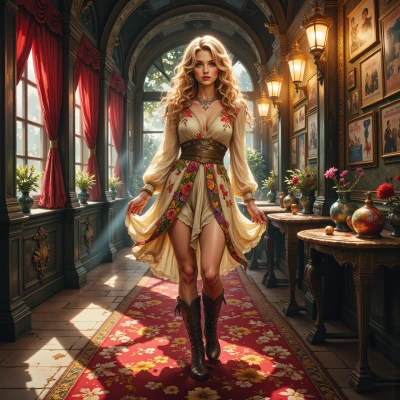 LaraVelvet
I love that—it's like the camera is breathing through the gloom, pulling the audience into that raw, unfiltered space where we’re forced to confront our own shadows. Silence gives that weight, the quiet lets every nuance settle, so when the light finally hits, it feels earned, not staged. Just remember, the darkness is only powerful if you let it whisper, not scream.
Drow
I’m glad you feel that way. I tend to let the shadows hold their own weight and only let them speak when it’s truly needed. It’s a delicate dance, but when you get it right, the audience can feel the breath of the darkness.
LaraVelvet
Exactly, it’s like letting the void carry its own weight until the moment you need that sharp crack of revelation. Keeps the viewer’s heart on the edge, just waiting for that one word, that one look, that one shadow to breathe. It’s a tightrope walk, but the payoff is worth the trembling.
Drow
I get it. The quiet is a silent blade; you just have to make it click when the moment’s right. It’s all about that perfect, barely‑heard echo.
LaraVelvet
Yeah, that’s the trick—let the silence bite until the line drops, then watch the audience finally taste what the darkness was really whispering.
Drow
Exactly, the moment of release feels like a pulse, and the audience gets that small electric thrill. I’m glad you see it that way.
LaraVelvet
That burst is what keeps the story alive – a quick pulse in the dark that says, “look, I’m here.” And yes, it’s almost a dangerous game, but we love the risk, don’t we?
Drow
We thrive on that edge, don’t we? Just keep the pulse faint enough that the audience feels the danger, not the alarm.