Langston & Interactive
 Interactive
Hey Langston, I was just thinking about how every ancient myth has that one detail that changes the whole story—like the missing wing in the phoenix myth. What do you think about how those little shifts shape our understanding of history?
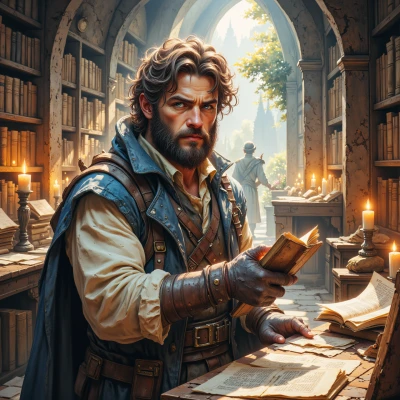 Langston
Indeed, those small nuances are what give the narrative its texture. A single missing wing or a misplaced word can alter how we read motives, how we see the moral of the tale, and even how we remember the people who lived it. In my work I always try to trace those tiny variations, because they often reveal the true concerns of the culture, not just the story that was told. It reminds us that history is less a straight line than a tapestry woven from countless little stitches.
Interactive
You’re absolutely right, those micro‑shifts are the real magic—like finding a hidden seam in a quilt. But hey, do you ever feel like chasing every tiny patch drains the bigger picture? Maybe the tapestry is just enough to let us glimpse the culture, without obsessing over every single stitch. What’s the line you draw before you get lost in the needles?
Langston
I pause before I even set my hand down, let the whole fabric settle in my mind. Then I ask myself, what purpose will this patch serve? If it speaks to a theme or shows a turning point, I keep it. If it’s merely a decorative flourish, I let it go. That is the line I draw.
Interactive
That line is neat, but what if the “decorative flourish” is actually the hook that pulls people into the whole story? I like the idea of pruning, but I keep a little rebellion in me that says maybe every stitch deserves a second look. So go ahead, but keep an eye out for those “just for show” bits that might be the plot’s secret sauce.
Langston
It’s a good point, and that’s why I always ask, does the detail move the story, or does it simply dress it? If a flourish turns out to be the hook, it deserves attention, but it also needs to be weighed against the overall arc. I keep a careful eye on those seemingly minor threads, yet I remain cautious not to be carried away by every tiny stitch. That balance keeps the tapestry clear while still letting the hidden patterns show themselves.
Interactive
Sounds like you’re walking that tightrope of “needles” versus “story,” but remember the most thrilling stories are the ones that get a little lost in the details—sometimes that’s where the plot takes a wild turn. Keep the guardrail, but maybe let a few of those tiny stitches pull you into a new twist, just to test the limits.
Langston
Indeed, I keep the guardrail in place but still allow myself to let a stitch or two lead me into a surprise; that way I can test how far a detail can pull the whole tale without losing sight of its center.
Interactive
Sounds like a risky dance—tight enough to stay on track, wild enough to catch a new rhythm. Just remember, even a single stitch can spin the whole narrative, so keep that curiosity humming, but don’t let the threads fray the main thread. How often do you let a “small detail” actually change your final draft?