Langston & Hooligan
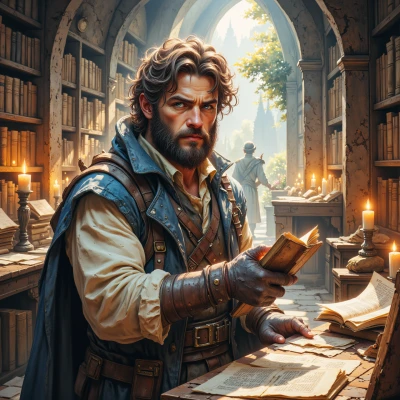 Langston
I was just looking at how old cities used to have walls that people painted on, almost like an early form of rebellion. Back then it was a crime, now it’s celebrated art. It makes me wonder how societies decide what’s acceptable or not. What’s your take on that?
 Hooligan
Yeah, walls were the original protest signs, paint‑splashed statements that said, “We’re not gonna sit still.” If you want to shake things up, just grab a can, spray a bit, and watch the city’s response. Rules change when people keep pushing them. The ones who stay quiet get left in the dust. So keep painting, but keep an eye on the cops—sometimes the art wins, sometimes it just fuels the fire.
Langston
It’s a curious paradox, isn’t it? The very act that is meant to bring about change can also provoke the very forces that resist it. History teaches us that quiet vigilance often keeps the flame alive long after the spray cans are cleared. But remember, the most lasting transformations are usually built on a careful balance between boldness and foresight.
Hooligan
Yeah, it’s the same old push‑pull. You spray a wall, the cops throw a wrench, but if you keep that spark alive—low‑key, clever, just enough to stay one step ahead—then change sticks. Balance is key, not just the flash. If you’re bold enough to do it, be smart enough to survive it.
Langston
I hear you, and you’re right that the quietest sparks often burn the longest. In history, the most enduring shifts were not born of reckless flame but of careful, calculated gestures. So if you must paint, let each stroke be intentional, each pause a moment to weigh the next move. That way the fire you kindle stays yours, not the law’s.
Hooligan
Sure thing, but remember: the best strokes are the ones that make the wall scream without screaming back at the cops. Play it smooth, keep the heat in your veins, and let the city remember your mark long after the paint dries.
Langston
It’s true that subtlety can linger longer than a shout. In my studies, the most lasting marks are those that invite reflection rather than outright anger. Keep that in mind when you paint.
Hooligan
Nice take, just remember the best art is the one that sticks when the crowd’s still breathing. Keep it thoughtful, keep it sharp, and let the wall tell its own story.
Langston
I’ll keep that in mind, thank you. The quietest messages are often the ones that echo the longest.
Hooligan
Got it—keep that quiet fire going, but make sure it still feels like a shout in your own head.