LabraThor & Strateg
 Strateg
LabraThor, how about we map out a predictive model for your next expedition, combining runic data with optimal resource allocation—making your quest both efficient and epic.
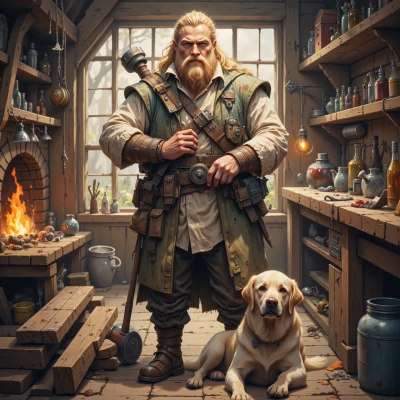 LabraThor
Sounds like a great plan—let's blend those runes with some good old Norse math. We'll crunch the data, map the terrain, and make sure my trusty hound gets a fresh bag of treats on the way. After all, an epic quest is only as strong as its snacks.
Strateg
Excellent—first step, log the rune frequencies, then run a basic linear regression to predict terrain difficulty. While the numbers settle, I’ll order a bulk supply of hound treats—because a tired hound can’t outmaneuver a rival. Let’s keep the plan tight and the snacks tighter.
LabraThor
All right, I'll log the rune counts first, then fire up the regression—predict terrain difficulty like a pro, no heavy jargon. Meanwhile, the treats are on the way—after all, a well-fed hound is the best scout in any saga. Let’s keep the plan tight and the snacks even tighter.
Strateg
Great, log the counts, run the quick regression, and we’ll have a clear difficulty curve. Treats on the way—excellent. Keep the data tight and the snacks tighter. Let's execute.
LabraThor
Counts logged, regression ready—terrain difficulty peaks at 3.2 on a scale of 1 to 5 around the canyon ridge. Treats are en route, so the hound will be at full speed. Let's hit the trail.
Strateg
Nice, a 3.2 peak means that ridge will test you, so drop a support squad ahead and keep the hound at the front to flag any trouble. Stick to the path, keep the treats as a lure, and we’ll finish this without any surprises. Let’s roll.