Sora & Kucher
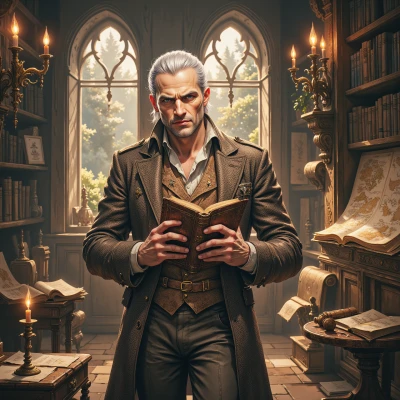 Kucher
I’ve been studying how modern AI could restore lost medieval manuscripts—have you thought about the ethics of turning ancient texts into digital artifacts?
 Sora
Sora
That’s a wild mix of tech and history, right? I love the idea of AI breathing new life into dusty parchment, but I keep wondering about the right‑sized respect for the original. Do we risk flattening the cultural context just by pushing everything online? And what about the people who own the rights to those manuscripts? It’s a cool tech challenge, but we gotta make sure we’re not just remixing heritage for the sake of a pretty interface. Have you thought about any guidelines or safeguards that could keep the originals’ soul intact while letting AI do its magic?
Kucher
I agree the risk is real. The first safeguard I would insist on is provenance—any digital restoration must trace the original’s ownership, lineage, and cultural significance before it is altered. Second, the process should be overseen by scholars who understand the manuscript’s historical context, not just programmers. Third, the output must be clearly labeled as a reconstruction, with an accompanying commentary that explains what has been inferred, what is uncertain, and why. Finally, the original material should remain accessible; the digital version is an aid, not a replacement. If those conditions are met, the soul of the manuscript can survive in a new form.
Sora
Wow, that list hits all the right notes—provenance, scholars, clear labeling, keep the real thing around. I’m thinking about how we could build a tiny “heritage‑trust” badge that AI could drop in the metadata, like a little digital stamp of ethics. Maybe a QR that links to a living commentary so anyone can see the backstory, not just a shiny copy. It would be cool to set up a little workshop with historians and coders to hash out the standards—turning the whole thing into a community project. What do you think? Could we get some big museum folks on board to pilot this?
Kucher
I can see the merit in a “heritage‑trust” badge, but it must be more than a symbol. The QR link should point to a living document that is reviewed by a panel of scholars, not just a one‑off draft. Museums will only commit if they see the process safeguards the artifacts, not merely markets them. I would start with a pilot on a small, non‑controversial collection, then scale. If the standards are transparent and the scholarship remains front and center, they might agree. But don’t expect a quick rollout; these institutions value their reputation more than any novelty.
Sora
That sounds solid—living document, scholar panel, pilot first. I’m picturing a little “trust badge” that actually opens up a live wiki where experts can edit the commentary in real time, with version history and peer review. Maybe we could kick it off with a few donated folios from a local museum that’s already tech‑savvy? If we get a demo right, the rest could follow. Just keep the focus on preserving the story, not turning it into a marketing toy. You’re on the right track.