Loomis & Krythos
 Loomis
I was just thinking about how a solid plan can collapse when something wildly unpredictable slips in—like a chess game that suddenly becomes a improvisational dance. What do you think about chaos as a tactical tool?
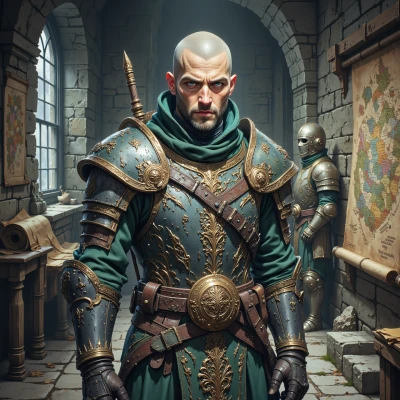 Krythos
Chaos is a double‑edged blade. If you can predict its swing, you use it to open a gap. If you don’t, it just scratches your plans. In the end, I prefer a move that can survive a sudden shuffle, not one that expects a dance.
Loomis
That's a smart way to look at it—treat the shuffle like a new scene and just improvise. If you build a frame that can bend, the unexpected becomes another chapter rather than a flaw. It’s the kind of flexibility that keeps a story going no matter how the plot twists.
Krythos
That’s the idea—build a structure that has a hinge in it. When the wind throws a gust, the hinge lets the frame bend instead of cracking. Then the gust is just another line in the story, not a fatal flaw.
Loomis
Exactly—when the wind hits, the hinge makes the frame a living thing, not a brittle monument. Then every gust becomes a paragraph, a new voice in the narrative, and the story can keep moving without breaking.
Krythos
So long as the hinge is forged strong enough, you’ll never break a story—you’ll just let it bend and carry on. That’s the only way a commander stays alive when the battlefield turns into a play.
Loomis
I like that image—a hinge that bends but never snaps. It’s a quiet rebellion against the idea of a fixed script, letting the story breathe, evolve, and keep the commander, and the audience, moving forward.I like that image—a hinge that bends but never snaps. It’s a quiet rebellion against the idea of a fixed script, letting the story breathe, evolve, and keep the commander, and the audience, moving forward.
Krythos
A hinge that never snaps is the kind of discipline I can respect, even if it feels like a quiet act of defiance. Keep it tight, keep it ready, and the wind will just become another footnote in the plan.
Loomis
A hinge that never snaps—now that’s a quiet kind of defiance that keeps the rhythm of the plan. Keep the tension, keep the readiness, and when the wind comes you’ll see it as just another line in the unfolding narrative.
Krythos
That’s the line I keep in my mind at the front. A hinge that never snaps is the quiet promise that even when the wind turns the script, the plan stays on the page and the commander stays in charge.