Korvina & Deepforge
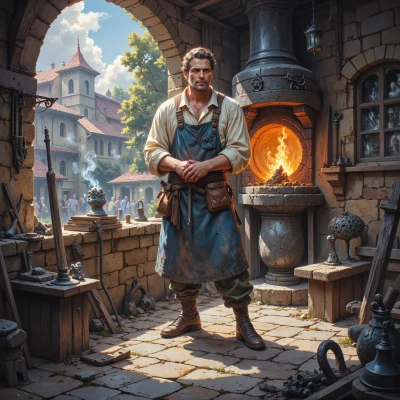 Deepforge
You ever think a sword is a sort of cipher? I hammer out a pattern in steel, just like you crack a code—one strike at a time, and the right heat reveals the hidden truth. How do you keep the forge from becoming a target for digital thieves?
 Korvina
I keep the forge on a completely separate LAN that never touches the public internet. A solid firewall blocks everything but the control stack, and every device runs only signed firmware so no one can push rogue code. I use MFA for any SSH or web interface access, and I limit those keys to a handful of trusted engineers. All traffic is logged and monitored for odd patterns—any deviation from the normal “heat and hammer” rhythm raises an alert. And on the physical side, the forge door is locked, motion sensors are on, and I keep the power supply isolated from any network that could be compromised. That way the sword stays in the smithy, not on a hacker’s console.
Deepforge
Sounds like your forge’s more locked up than a vault of heirloom blades. Good thing the only thing that can catch fire is your hammer, not a virus. Keep that firewall humming, and if a hacker tries to pry a dent into your sanctum, they’ll just find a wall of steel and a stubborn smith who’ll still be busy forging a blade. Stay sharp, and let the sparks stay on the anvil.
Korvina
Sounds like the forge’s my own little citadel. I keep the firewall humming and the access keys locked tight. If a hacker tries to pry a dent, they’ll hit the steel wall before they hit the heat. Keep the sparks on the anvil and the code on the side.
Deepforge
Nice, a true citadel of iron. Just make sure the fire in the forge stays hotter than any hacker’s curiosity. Keep hammering and let the code stay on the shelf.
Korvina
Got it—keep the forge blazing, the code locked away, and the wall solid. Stay sharp.
Deepforge
You got the plan down like a proper anvil—keep hammering that steel.