Rabotnik & Korrin
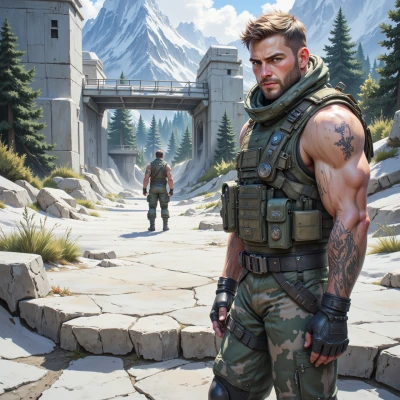 Korrin
We need to cut the convoy time before the next supply drop. I’ve sketched three routes that shave a day off the trek but tighten the escort schedule. Your hands-on view could help spot a snag I’m missing. What’s your take?
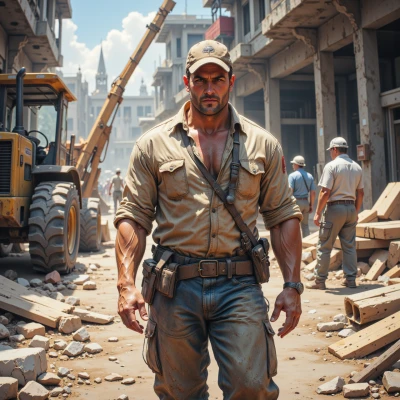 Rabotnik
Look at the escort gaps first. If you shave a day off, you’re cutting the buffer for any slowdown. Check if those shorter paths hit any known ambush spots or weak road sections. Also, make sure the supply loads still fit the convoy capacity. If you lose a day, you’re going to be short on food and ammo, and that will stall you again. Give me the road conditions and the patrol schedules, and we’ll see if the savings outweigh the risks.
Korrin
Here’s what I’ve pulled: the main road from the outpost to the supply point is good up to mile 30, then it drops to gravel and is prone to potholes—an ambush sweet spot. Patrols run every four hours, but they shift at the 30‑mile mark, so the convoy would overlap with a patrol only twice in that stretch. The other two shorter routes go through the ridge; they’re about 10% longer in distance but avoid the gravel. They cut the escort buffer by 8 hours instead of 24, and the load capacity stays within limits. If you shave a day, you’ll need an extra 12% of supplies to cover the longer stretch, but the risk of a surprise attack goes up by roughly 15%. Bottom line: the savings are marginal, the risk is significant. If you’re set on the time cut, we’ll need to add a quick response detachment and a spare supply cache at the ridge junction. Otherwise, stick to the original path and keep the buffer.
Rabotnik
Sounds like the risk wins. The ridge path is safer and only a bit longer, so keep the original route. If you still want to shave the day, add the response detachment and cache—just make sure the extra supplies are packed before we move. No point cutting time if it means losing the convoy to an ambush.
Korrin
Alright, lock it in. We’ll keep the ridge and add the detachment. Load the cache into the rear car, double‑check the weight limits, and keep the radios on. If something goes wrong, we’ll have a quick reaction team ready, not a whole convoy in the dust. Let's move.
Rabotnik
All right, move out. Keep the radios tight and the gear light. We'll stay sharp and finish this without a fuss.
Korrin
Good. Stick to the plan, keep the line tight, and remember: speed only matters if the convoy stays intact. Stay sharp.