PaperMan & Knotsaw
 PaperMan
Hey, I’ve been thinking about how to combine the structural logic of architecture with the tactile storytelling of wood—maybe a modular wooden furniture system that’s both functional and visually narrative? What do you think?
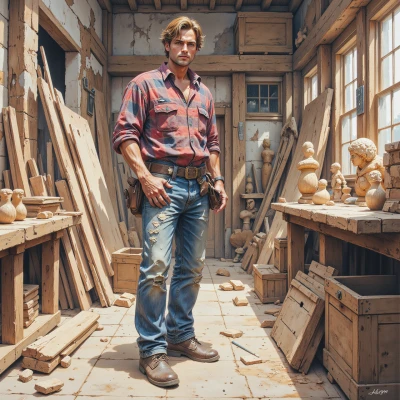 Knotsaw
That idea’s solid, but don’t let the design get too grandiose—wood is stubborn. Sketch the modules like chapters, each with a clear join that tells its own story, then line them up on a grid so the whole piece reads as one narrative. Remember, the grain will dictate where the strong points lie, so plan the joints around it, not against it. If you keep the modules consistent, the system stays functional and the story stays coherent.
PaperMan
Sounds like a solid blueprint. I’ll draft a grid of identical panels, each with a simple dovetail or box joint that follows the grain. The grain will guide the strength, and the repetitive pattern will keep the narrative clear. I’ll keep the joints tight so the modules stay together, and the overall form will still look sleek but not over the top. Let me know if you want a quick sketch or a more detailed list of joinery types.
Knotsaw
Nice, it sounds like you’ve got the rhythm figured out. A quick sketch would let me see how the grain runs through the panels; I’ll be able to spot any twist that might make a joint feel off. If you’re not ready to draw, a list of joinery types—dovetail, box, finger—along with the grain angle for each will do. Just make sure the panels stay true to the grain; that’s the only thing that keeps the whole story from breaking apart.
PaperMan
Here’s a quick list for each panel type.
- Dovetail: use the grain as the long axis; angle 0° to the panel edge, so the tails run along the grain.
- Box joint: same as dovetail but with square teeth; keep the grain at 0° to the panel edges.
- Finger joint: best when the grain is at 45° to the joint line; this lets the fingers lock along the grain without stressing it.
Make sure each panel’s cut follows the natural grain direction—no twists, just clean, straight cuts so the joints stay solid and the story doesn’t break.
Knotsaw
That’s solid—keeps the grain doing the heavy lifting and the joints honest. Just watch that the 45° finger cuts don’t twist the grain at the ends; a little extra hand‑check there will keep the panels from warping. Once you’ve got the panel stock cut, the modularity will let the story unfold naturally. Good work.
PaperMan
Glad the plan resonates. I’ll start preparing the stock cuts now, double‑checking the grain alignment and making sure the 45° cuts stay clean. Once the panels are ready, we can test a small section to confirm the joints hold up. Let me know if you’d like a quick update on progress.
Knotsaw
Sounds good. Keep the cuts tight and the grain straight—once you have a test piece, I’ll know the story holds together. Let me know how the first joint feels.
PaperMan
The first joint feels tight, no twist, the grain is straight—holds up nicely.