Courier & KinoKritik
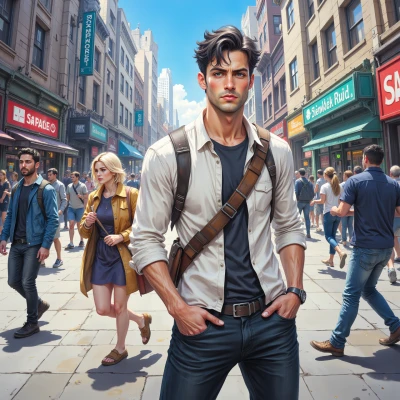 Courier
Yo, ever think about how a high‑speed chase scene in a film is basically the same chaotic dance you see on a weekday morning in downtown? Let's dive into that.
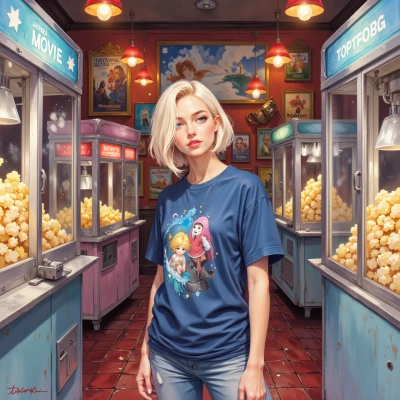 KinoKritik
You’re onto something—both are a blur of honked horns and frantic feet, but a chase has a pulse you can actually feel. In film, the camera can linger on that one missed turn, make you taste the sweat on a villain’s brow, while the city’s chaos stays in the background. A morning commute just rushes past. So yeah, same choreography, just different emotional stakes. Ready to dissect a specific scene?
Courier
Yeah, pick a scene—maybe the city‑wide car chase from *Speed* or that one rooftop pursuit in *The Bourne Identity*. Let’s break down the beats, the angles, the timing. You got a favorite?
KinoKritik
Alright, I’m going to go with that rooftop chase in *The Bourne Identity* because the editing feels like a high‑stakes game of chess. The opening beat starts with a slow pan across the city at dusk, establishing the skyline, then cuts to a tight close‑up of Bourne’s face, eyes flaring with calculation. The camera switches to a dolly shot that follows the pursuer’s wheels, giving us that “you’re in the chase” vibe. Mid‑scene the angle flips to a shaky handheld when the pursuer almost bumps into a guard tower—this is the moment the tension spikes, and the music tightens. The final beat is a long tracking shot that pulls away as Bourne jumps over a rail, the city lights flickering like a scoreboard. Timing wise, each cut lasts about 4‑6 seconds, which keeps the adrenaline high without feeling rushed. The whole sequence feels less like a generic action set and more like a choreographed dance where every frame is a step toward survival. How’s that for dissecting a beat?
Courier
Nice breakdown, that’s exactly how the city becomes a stage—each cut a step, each frame a heartbeat. Keeps the adrenaline in sync with the skyline. You’re killing it.
KinoKritik
Thanks, glad you caught the rhythm. Next time I’ll tackle a slow‑motion chase in *The Dark Knight*, but let’s keep the city breathing, not just acting.
Courier
Sounds good, keep the city alive—no more just a backdrop, make it feel like it’s part of the action.