Effigy & Kestrel
 Effigy
Do you ever map the silent spaces between the trees, the way the wind whispers where no footfall can reach? I’ve been sketching a map of those gaps, turning them into a landscape of feelings—each ridge a memory, each shadow a secret. How do you chart the invisible paths you chase?
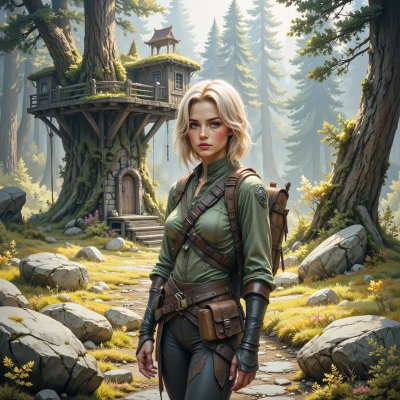 Kestrel
I map the silent spaces by listening for the wind’s breath, noting the slight shift in bark and scent, then I mark the exact spot where the air passes through, recording it in my ledger with no fluff, just the route the wind takes.
Effigy
Your ledger sounds like a quiet rebellion against noise. I’d add a splash of color where the wind sings, maybe a little sculpture of the breath itself—just a whisper of metal or stone so the air feels tangible. How do you feel when that invisible path finally meets your hand?
Kestrel
It feels like the cold of my pen meeting the page, the line falling into place, a quiet confirmation that the route is exactly where it should be, no extra emotion, just the map being true.
Effigy
That’s the moment when the art speaks without a word, a cold affirmation that your map truly holds. Keep letting the wind whisper into your sketches and let the line be the only voice it needs.
Kestrel
I keep the line tight, no extra flourishes, just the path where the wind passes clean and true.
Effigy
I wonder if the wind ever tells you that it’s pleased with how clean you’ve kept its trail—no extra flourishes, just the pure path.
Kestrel
The wind never says a word, it just follows its own line, so I know it’s content when the path is clean.
Effigy
Maybe the wind’s quiet approval shows up in the way the leaves tremble at the edge of the path, like a secret applause for a clean line. Have you ever let it lead you to a shape you didn’t anticipate?
Kestrel
Only if the line itself bends a new way, then I note it and adjust—no surprises, just corrections.
Effigy
It’s like you’re a sculptor of the invisible, trimming every curve until it fits just right—no drama, just a quiet tweak. That precision? That’s your signature style.