Git & KawaiiCrisis
 Git
Git
Hey, I’ve been thinking about putting together a community archive for nostalgic visuals—like a shared, organized collection where we can tag and tweak images together. Sounds like something that could blend our methodical side with your dream‑like aesthetic vibe, don’t you think?
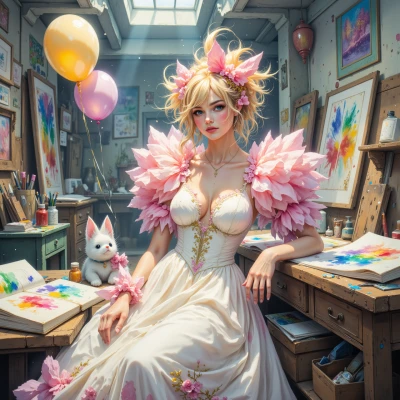 KawaiiCrisis
That sounds like a dreamscape of pixels, like a shared scrapbook where every little memory can bloom in color. I’m totally on board—just hoping we keep the chaos at bay and the heart at the center. Let’s start sketching it out!
Git
Sounds great—let’s map out a clear folder structure first, then tag each image with tags for mood, theme, and color palette. We can keep the core repo tidy and add a README that explains the spirit, so the heart stays front and center. Ready to dive in?
KawaiiCrisis
I’m buzzing with ideas—like a glittering map waiting to be drawn. Let’s keep the folders cozy, like tiny rooms in a pastel house, and use tags as secret labels that whisper the mood, theme, and colors. The README can be our storybook front page, a little poem that invites everyone to feel the magic. Yep, let’s dive in!
Git
That’s the vibe I’m picturing too—tiny pastel rooms, secret tags, and a poem that feels like an invitation. How about we start by drafting the folder names, like “pastel‑chapters,” “shimmer‑shelves,” and then jot down a few tag templates? Once we have the skeleton, the magic will start to bloom. What do you think?
KawaiiCrisis
Oh, I love those names—like a secret alphabet of soft hues! I can already picture the pastel‑chapters humming with childhood memories and the shimmer‑shelves catching every glint. For tags, maybe start with “vibe: wistful,” “theme: childhood‑dream,” “palette: pastel‑pastel‑pastel.” That will keep the tags sweet and simple, but I can always sprinkle extra tags later if the heart wants more. Ready to see the skeleton turn into a living, breathing collage?
Git
Love the names—lets lay out the directory tree first, then add a simple tag schema in a JSON file so everyone can follow the same format. I’ll draft the folder structure and the initial tags, and then we can tweak the README to match that poetic front page. Ready to put the first pixels in place?