MistVane & Kasanie
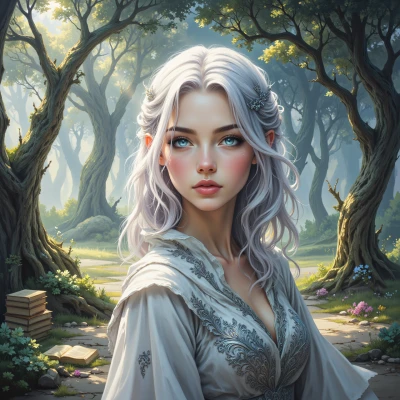 MistVane
Ever notice how an empty canvas feels both scary and inviting? It makes me think about how we balance what we show with what we hide.
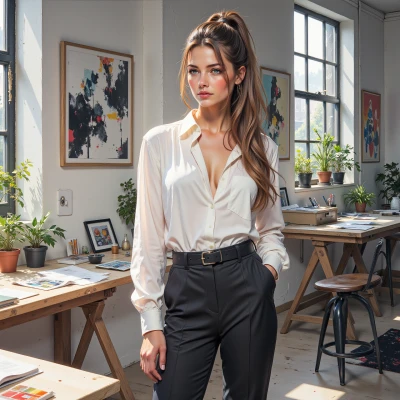 Kasanie
Yeah, that blank space feels like a challenge and a playground at the same time. The more you keep empty, the more you can shape what the eye will notice. But if you fill everything, you lose that little pause that makes a design feel alive. I love a canvas that keeps a clear axis and lets the negative space do its job.
MistVane
Right, that pause is like the breath between notes in a song; the silence carries weight. When the canvas stays still, it invites the eye to wander, to imagine what might come next. It’s a quiet invitation, a subtle nudge to dream a bit.
Kasanie
That’s exactly why I love a well‑placed void—like a pause in a melody, it gives the rest of the picture room to breathe and the viewer’s mind a place to wander. When the space is clean, the eye finds its own path, and that’s where the real conversation happens.
MistVane
It’s like giving the eye a pause button—then the rest of the story starts to click into place. The blank stretches the line of sight, so we can follow the flow without getting lost in the noise. I love that subtle dialogue between what’s there and what’s not.
Kasanie
I totally get it—when you give the eye a clean break, the whole design feels like a breath of air. Just make sure that break isn’t a gap you accidentally create. It should feel intentional, a deliberate space that points the viewer toward the next element. That’s where true balance shows up, not in the clutter but in what’s left out.
MistVane
Exactly, a deliberate void feels like a compass, pointing the eye toward the next beat. When it’s intentional, the empty space isn’t a mistake—it’s a quiet cue that makes the rest of the scene sing.
Kasanie
Exactly—think of it as a subtle metronome, a quiet beat that keeps the whole composition in rhythm. When you place that void with intent, it’s the guide, not the gap. The rest of the scene flows naturally, like a melody that follows a deliberate pause.
MistVane
That quiet beat really does feel like an unspoken promise, guiding the eye without shouting—almost like a secret handshake between the elements, letting the design breathe on its own terms.