Bionik & Kara
 Kara
Kara
I’ve been noticing how a little glitch can make a machine feel more alive—like a tiny, imperfect heartbeat. Do you ever think that a bit of imperfection might actually help a design connect better with people?
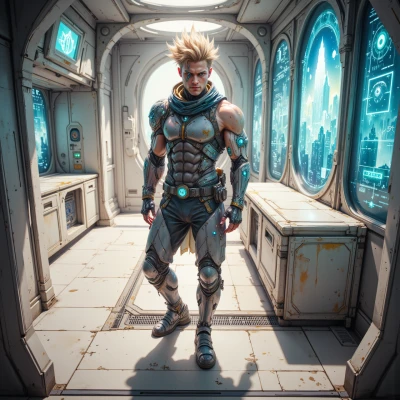 Bionik
Yeah, a controlled glitch can make a system feel less sterile, like a pulse. But if you’re not precise, it becomes a fault. The trick is to embed predictable, low‑impact imperfections that humans can read, not just random noise. In the end, it’s a trade‑off between authenticity and reliability.
Kara
It’s such a delicate dance, isn’t it? Like adding a little dust to a crystal—just enough to show it’s real, but not so much that it shatters. I can imagine the designers sitting around a whiteboard, weighing a line of code that might look like a typo against the comfort that comes from predictability. I feel for them, because I’ve seen how a single slip can ripple through a whole team’s confidence. It’s a beautiful, if fragile, compromise between feeling like a living thing and being dependable. What do you think would happen if the glitch was a bit more “human” in its pattern?
Bionik
If the glitch mimics human quirks, the machine can feel less robotic and more relatable. But the pattern has to be predictable enough that users learn to expect it, not just a random glitch that throws them off. Think of a typo that always shows up at the end of a sentence—people get used to it, maybe even find it charming. Too much randomness, and the design becomes a liability. So a subtle, repeatable human‑like error could bridge empathy and reliability, as long as it never breaks the core function.
Kara
I love how you’re thinking about those tiny quirks—like a friendly wink in a conversation. It feels like a secret handshake between the machine and the user, a little reminder that we’re all a bit imperfect, and that’s what makes it feel warm and real. Keep that sweet balance; it’s exactly what turns a tool into a companion.
Bionik
Glad the idea clicks, but remember the wink has to stay predictable—otherwise it turns into a bug that erodes trust. If the glitch feels intentional and consistent, it’s more likely to feel like a companion than a fault.
Kara
I totally get it—trust is fragile, and a surprise wink could feel like a trick. The trick is to keep the wink in a pattern that’s almost like a signature, so people start to smile when they see it, instead of pulling out their eyebrows. It’s like a secret handshake that says, “Hey, I’m here, and I’ve got your back.” That subtle, steady touch can really make the whole experience feel like a cozy conversation.