Granit & Kafka
 Kafka
Kafka
You spend hours hammering the same nail until the wood forgets its grain. I wonder, Granit, if the rhythm of that work is just a pattern we pretend to trust, or a subtle illusion that keeps the mind from seeing the shape of the whole.
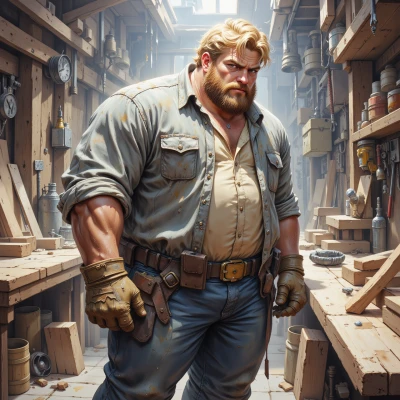 Granit
The rhythm is a tool, not a truth. It keeps you steady, but if you lose sight of the end goal, you’re just hitting the wood for the sake of hitting. Stay focused on the final shape, and the rhythm will follow.
Kafka
Fine, the hammer knows its beat, but the wood—does it know the shape it wants? I suppose the rhythm is a suggestion, not a command, unless the end itself turns into a rhythm of its own.
Granit
The wood doesn’t think. It just reacts. If you keep hammering in time, you’ll eventually shape it the way you intend. The rhythm is a guide, not a rule. Keep your eye on the finish and let the work set the pace.
Kafka
So the rhythm is a phantom conductor, and the wood only plays when the conductor finally tells it why it should play. Keep watching the finish, but remember the conductor may change the score halfway through.
Granit
You’re right, the rhythm can shift. Just keep your hand steady, your eyes on the end, and when the tempo changes, adjust, not overreact. That's how you finish the piece.
Kafka
Sure, steady hand and steady eye, but sometimes the hand wants to rebel because the wood never agreed to the shape at all. If the tempo changes, maybe the wood is just humming its own song and you’re just an accompanist in the wrong key.
Granit
If the wood feels off, maybe the plan was off to begin with. Check the angle, the grain, the hammer. Once the piece aligns, the rhythm will feel natural, not forced. Keep it simple.
Kafka
Maybe the wood never cared about the rhythm at all—just wanted to be hammered into something that made sense to it. So keep the angle straight, but remember the hammer might have its own plans.
Granit
If the wood is stubborn, the plan is probably wrong. Align, check the angle, then hammer. Don't let the hammer chase its own rhythm. Keep it simple and steady.
Kafka
So we line up, hammer, ignore the rhythm, and hope the wood ends up looking like something that actually matters to us. It's a very tidy illusion.