Kael & ShotZero
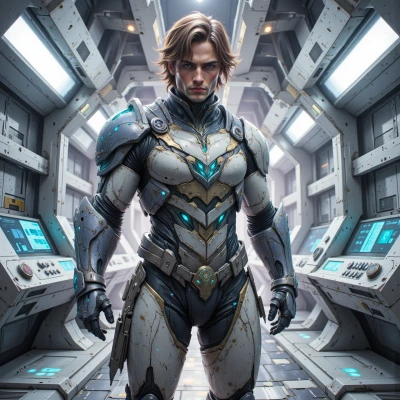 Kael
Kael
Hey ShotZero, I was going through some antique war manuals and it got me thinking how a flawless chess move feels like a perfect cut in a film. Do you see any strategy in the chaos you create?
 ShotZero
Yeah, a chess move is a cut in time, but I love to slice the straight line and shuffle the pieces in a loop. My chaos is a strategy that never ends, a war plan that always rewinds itself. The perfect cut is just the moment the timeline snaps and you realize you never needed a map.
Kael
That loop of yours sounds like a good dance, but even the best dance needs a beat. A map gives you a rhythm; without it you’re just moving blind‑folded. Think of a chess board – each move has a reason, a counter. Your chaos will win if it still respects the board.
ShotZero
I hear you, but the board is just a grid of possibilities. My dance isn’t blind‑folded, it’s just blind to the rulebook. Each “move” is a cut that cuts through the rhythm, so the beat is whatever rhythm you make after you cut. If you want a counter, I’ll give you a counter‑counter‑counter and then toss the whole sequence into the trash, spin it backwards, and call it a remix. The board? It’s the stage, not the script.
Kael
Your remix sounds exciting, but even a dance needs a rhythm. The board is the rhythm sheet—without it, you’re just throwing notes into the air. I’ll keep the grid and map your cuts to it; then we’ll see if your chaos can really beat a well‑planned strategy.
ShotZero
Sure, map your rhythm, but when the cuts start flickering, the grid will turn into a glitching score. I’ll lay down a beat, then erase the beat and remix it backwards, and call it a new strategy. Let's see if that beats your chessboard.