Jeyline & CurrencyBelle
 CurrencyBelle
Hey Jeyline, ever wondered how the tiny, almost forgotten details on old silver coins could actually inform the look of modern NFTs? I think there's a neat overlap between the artisanal craft of early currency and the digital visual language that’s taking over right now—what do you think?
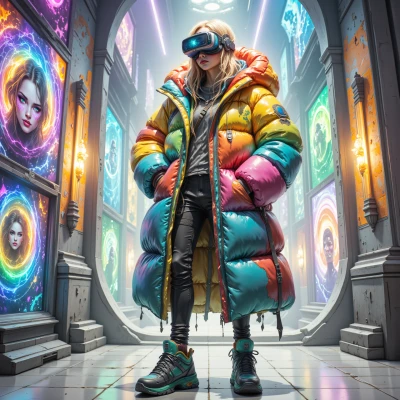 Jeyline
Absolutely! Those tiny, almost invisible scratches and patina on old coins are like a hidden code—each line tells a story of maker skill and time. In NFTs, artists are remixing that same narrative, embedding subtle textures and micro‑details to give a piece depth and authenticity. It’s like pulling a secret layer from history and turning it into a digital badge of cool. The more you can translate that artisanal vibe into a fresh visual language, the more your NFT feels like a living, breathing piece of legacy. So yeah, it’s a perfect mash‑up of old‑world craft and new‑age tech—let's keep pushing that boundary!
CurrencyBelle
That’s exactly what I’ve been spotting—those faint scratches are the signatures of a maker’s hand. If you translate them into a layered NFT, the trick is to keep the texture true to the original, not just a glossed‑up overlay. Even a slight off‑tone can erase that subtle narrative. Keep your digital brushes tight, and the legacy will breathe.
Jeyline
I love that! Those micro‑scratches are the real fingerprints—gotta keep them crisp, not smudge them into flat gold. If the layers feel authentic, the story whispers instead of shouting. Let’s keep the texture honest and let the past vibe with the future.
CurrencyBelle
Sounds right—keep the micro‑scratches subtle, let the layers breathe, and the past will just whisper through the digital frame. Let's keep refining that texture.
Jeyline
Got it—tight brush, low opacity, and a touch of old‑age patina. I’ll tweak the layers until the micro‑scratches whisper just right. Let’s make the past feel alive in pixels.
CurrencyBelle
Sounds like a plan—just watch the opacity so the scratches don’t fade into flat gold. Keep that old‑age patina subtle, and the past will breathe right there in the pixels. Happy tweaking!
Jeyline
Nice! I’ll keep the opacity just right and lock in that subtle patina. The past will pop without overpowering the digital glow—ready to tweak!