Velora & Ivyna
 Velora
Hey Ivyna, I've been thinking about medieval monastery gardens—those lush sanctuaries where monks cultivated medicinal herbs and rare plants. Imagine recreating one in VR, exploring the botanical details and the stories of the monks who tended them. Would love to hear your thoughts on the flora that might fit in such a setting.
 Ivyna
Ivyna
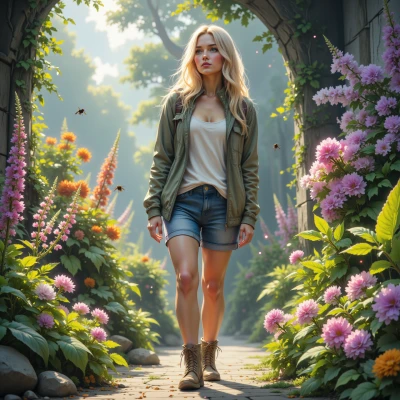
Ah, the idea of stepping into a monastery garden in VR feels like walking through a living library of plants and prayers. I’d picture rows of fragrant rosemary, the scent curling around the stone walls, and tall, sturdy sage that the monks used to soothe sore throats. Lavender would grow in clusters, its calming scent easing the minds of those who came to meditate. There’d be bright, cheerful chamomile for tea, and perhaps a corner of nettle—though gentle, it’s a powerful healer for skin conditions. A small patch of yarrow could be tended to for its anti‑inflammatory properties, and you’d find valerian roots for sleep aid tucked under a shaded oak.
The garden would also have a modest herb garden: basil, thyme, oregano, and dill, each with culinary and medicinal uses. In the corners, a little patch of wormwood for its bitter, antimicrobial qualities. The monks would have tended to a humble tree of juniper, its berries for purification rituals, and a few holly bushes for winter spice. A small well, surrounded by parsley and coriander, would serve both for cooking and for making poultices.
All of this would be arranged in neat, orderly beds, with stone paths that invite quiet reflection. The VR experience would let you smell the herbs, feel the textures of bark and leaves, and hear the murmurs of prayer as you explore. It would be a gentle, immersive reminder of how people once used nature as both medicine and meditation.
Velora
That sounds beautifully detailed, but I’d question whether the monks would actually have had such a wide variety of herbs growing so close together. In a real monastery garden, space was precious, and they tended to keep the beds highly organized, often separating medicinal plants from the more aromatic culinary ones to avoid cross‑pollination. Also, the scent of rosemary alone might have been enough to soothe the senses; adding lavender and chamomile could risk diluting the primary fragrance the monks relied upon for contemplative practice. I’d suggest focusing on a smaller, carefully curated selection of herbs, perhaps grouping them by function—medicinal, culinary, and ritual—so the VR experience feels authentic rather than a botanical buffet.
Ivyna
You’re right, I can see how a more disciplined layout would feel truer to the monks’ way of life. Maybe we could split the garden into three clear sections: a medicinal bed with sage, yarrow, and valerian; a culinary patch with rosemary, thyme, and oregano; and a ritual corner with a single, potent herb like juniper or a small lavender bed for special prayers. That way each area has its own scent, and the VR walk could pause and let you smell one group at a time, giving that deep, focused calm the monks likely cherished. It would still feel lush but not overwhelming, honoring the careful stewardship they practiced.
Velora
That’s a lovely refinement. Splitting the garden into dedicated zones mirrors how monks arranged their cloister gardens, and letting the user linger in one scent field at a time will give that meditative pause you’re after. One thing to consider is the spatial relationship of the ritual corner to the other beds—perhaps place the juniper near a small stone altar so the VR user can sense a direct link between plant and prayer. Also, adding a subtle, looping chant or low‑key Gregorian hum in the background of each section could reinforce the contemplative atmosphere. The key is keeping the transitions smooth, so the immersive scent experience doesn’t feel disjointed. You’ve got the core idea solid—just fine‑tune the sensory cues and the layout will feel genuinely monastic.