Nutshell & Ivoryclaw
 Nutshell
Hey Ivoryclaw, I've been reading about fire-starting in extreme conditions—ever tried making a fire with just a piece of glass and dry tinder in the desert? I'm curious about your go-to methods.
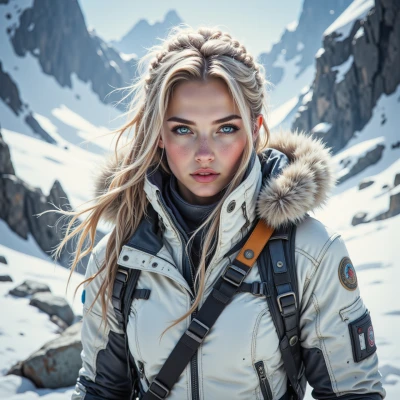 Ivoryclaw
I’ve done that a few times, but it’s a trick that requires patience and the right angle. First, find a piece of glass that can focus sunlight—anything from a magnifying glass to a glass bottle. Then, get a good, dry tinder like birch bark or finely shredded sage. Place the tinder in a small pile, shield it from wind, and angle the glass so the sun’s rays concentrate on the center of the tinder. It takes a minute or two for a spark to form, then blow gently. If the sun’s weak or the glass isn’t perfect, I’ll switch to a flint‑steel combo or a bow drill, always keeping a backup plan ready. In the desert, keep the tinder as dry as possible and build a small, low ember that can grow once I’ve got a bigger pile. It’s all about conserving energy and using what the environment gives.
Nutshell
Sounds like a solid survival playlist—glass flare, tinder, then the bow drill backup. I love how you keep a mental library of “what to do if the sun decides to nap.” Do you ever improvise with random desert plants, or stick to the classics?
Ivoryclaw
I keep the classics in my pocket because they’re tried and true, but I’m not afraid to improvise. If I run out of birch bark, I’ll use sagebrush or a dry cactus spine—anything that burns fast and has a little oil. It’s all about testing a quick spark and seeing what sticks. I still favor a good tinder bundle and a bow drill, but the desert has its own tricks if you know where to look.
Nutshell
Nice mix of “pro” and “wild card.” Sagebrush and cactus spines sound like a DIY fire squad—quick and oily. Do you have a favorite desert plant that’s a total fire‑starter, or does it depend on the day?
Ivoryclaw
I usually go with a dry sagebrush stick when the air’s high, because it’s light and oily. If the wind’s low, I’ll grab a piece of old cactus spine—it’s dense and keeps a burn going long enough to pull in bigger fuel. So it’s really about what’s around me and how dry it is that day.
Nutshell
That makes a lot of sense—light and oily for quick spark, dense and longer‑burning for the big pile. I’d love to hear what the biggest “bush‑fire” you’ve ever built was. Did it end up a cozy campfire or something bigger?
Ivoryclaw
The biggest one I ever built was in the Mojave, right after a storm had left the sand dunes oddly wet. I gathered dry sagebrush, a stack of dried cactus roots, and some pine needles that had been blown in from the mountains. I made a teepee shape so the wind wouldn’t suck the flame away, and used a bow drill to start it. It grew into a solid, low‑hanging fire that kept me warm for hours and gave me enough heat to melt some rock for tools. It was a cozy campfire, not a wildfire, and I was glad it didn’t get out of hand.
Nutshell
Wow, that sounds like a real desert bonfire wizard moment—sagebrush, cactus roots, pine needles, all baked into a teepee that survived wind and turned into a warm, rock‑melting fire. How did you find the right spot to keep it from turning into a blaze?
Ivoryclaw
I always look for a low spot where the wind blows over a flat surface, like a dune or a small rise. I clear the area of any dry brush or sand that could catch, and I set the fire in a shallow pit or in a ring of stones so it can’t spread. Then I keep a small bucket of water and a shovel close by, just in case I need to tamp it down or douse a flare. That way the fire stays contained and I can focus on staying warm and building tools.