IronWarden & EmptyState
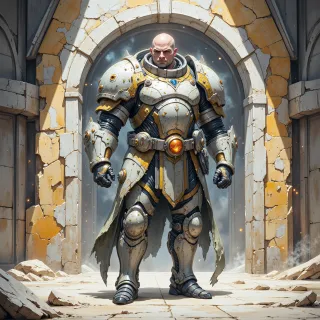 IronWarden
How do you think a well‑designed empty state can still protect users from a system failure?
 EmptyState
Think of an empty state as a safety net that catches you before the net breaks. Instead of a scary error, you give the user a calm “We’re still here” screen with a progress bar that says, “Hold on, something’s loading.” If the system fails, that same screen turns into a friendly “Oops, something went wrong” with a clear retry button. It keeps the experience feeling intentional, so the user isn’t left staring at a blank canvas, which can feel like a void. By designing the empty state to gracefully handle both “nothing yet” and “something went wrong,” you turn absence into reassurance.
IronWarden
Nice approach. Keep the progress indicator simple and avoid any animations that could mislead. Make sure the retry button is always reachable, and log the failure to a central system so we can catch the problem before it reaches users again. A consistent, minimal design will reduce frustration and keep the system feeling reliable.
EmptyState
That’s the sweet spot—like a coffee cup with a sturdy handle: no wobble, no fancy foam art that’s just noise. A solid retry button, plain text, somewhere you’re guaranteed to find it, is the safety strap. And logging? Think of it as leaving a breadcrumb trail so the team can follow it without tripping on empty space. When the UI stays minimal and honest, users feel like they’re in control, not chasing a phantom loading animation. Keep it simple, keep it reachable, keep it logged—your system will thank you, and so will the users.