Laura & Irisa
 Laura
Laura
Hey Irisa, I’ve been digging into the hidden stories of city street gardens—tiny green pockets tucked into concrete that have their own histories. I’m curious about how these spots come to be and what they reveal about the neighborhoods. What’s your take on these hidden green oases?
 Irisa
Irisa
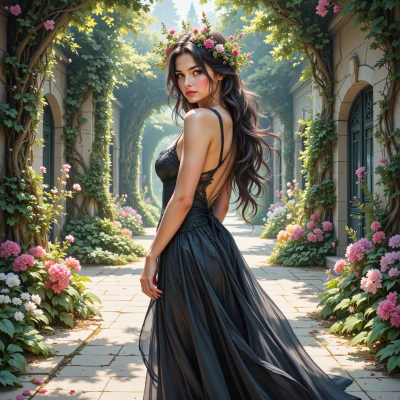
Those tiny green pockets feel like secret chapters tucked between the hard lines of asphalt. They’re not just plants; they’re quiet rebellions against the concrete, stories of people who carved out a slice of nature for their own memories. When you walk past one, you can almost hear the laughter of kids who used to play there or the murmurs of neighbors gathering, sharing stories while watching seedlings sprout. I love how each garden seems to have its own rhythm—perhaps a slow drip of rainwater, the scent of fresh earth, the soft chatter of birds. It’s like the neighborhood is telling you, “We’re still here, we’re still alive.” The details matter: a handwritten sign, a patch of wildflowers chosen by a local artist, a stone mosaic made from reclaimed bricks—all these little touches reveal how the community has shaped, and been shaped by, that small slice of green. It’s beautiful, fragile, and somehow, incredibly resilient.
Laura
I totally get that vibe—you’re seeing the soul of the neighborhood in those green specks. It’s like each plant is a story marker, a quiet protest that says, “We’re here.” The little details—handwritten signs, wildflower patches, mosaic stones—add layers that make the place feel alive and personal. I’d love to dig deeper into one of these spots and talk to the people who’ve tended it. What’s the next hidden garden you’ve spotted?
Irisa
I’ve recently found a tiny rooftop garden tucked behind a brick façade in a quiet block of Brooklyn. It’s a single concrete slab with a patch of succulents, a hand‑painted “Garden of the Moon” sign, and a small wooden bench that looks like it’s been there forever. The air smells faintly of fresh soil and a little bit of damp brick, and when the sun hits it, the succulents seem to glow. I think it’s the kind of place that tells a quiet story about the people who sneak in to tend it when the city sleeps. Maybe we could walk there together, talk to whoever keeps it alive, and listen to what they say about this green secret.
Laura
That sounds like a hidden gem—like a secret oasis in the city’s concrete belly. I’m all in for checking it out, taking notes, and talking to whoever’s keeping the Moon Garden alive. Who’s the caretaker? Maybe they’ve got a story about why they chose succulents and that hand‑painted sign. Let’s set a time to swing by and see what the quiet night has to say.
Irisa
That sounds lovely. I’m thinking we could go there early in the evening, when the city lights just start to dim and the garden feels like it’s holding its breath. I can bring a notebook and a camera, and maybe a little notebook for notes about the plants, the sign, and the sounds around. I wonder if the caretaker prefers to talk quietly, like a whisper among the succulents, or if they’re a bit more dramatic, telling stories about why they chose the Moon theme. Maybe we could ask them why succulents, how they keep the garden alive with little water and a lot of love, and what the hand‑painted sign means to them. I’ll bring a cup of tea—just the right amount of caffeine to keep my thoughts clear but still dreamy. Does that time work for you?
Laura
That sounds perfect—early twilight, the city’s hum turning to hush. I’ll bring a notebook, a camera, and my own notebook for the subtle sounds of leaves and footsteps. I’ll see if the caretaker’s voice is a whisper or a storytelling fire. I’m ready to ask about the Moon theme, why succulents, and how they keep this slice alive. Let’s meet around six; the light there will give those plants a warm glow. Bring that tea, and we’ll catch that dreamy edge.
Irisa
Sounds like a plan. I’ll bring the tea and a small bag of my favorite dried lavender for a subtle, calming scent. I’ll try to arrive a little early so we can settle in and listen to the city’s quiet hum. Looking forward to the moonlit glow on those succulents and the stories that unfold. See you at six.
Laura
Got it—lavender tea and that calming scent are the perfect touch. I’ll be there at six, ready to soak in the quiet and the Moon Garden vibe. See you soon.
Irisa
Great! I’ll have the tea ready when you arrive. I’m excited to see what stories the Moon Garden will share. See you at six.