Irelia & ToyWhisperer
 Irelia
I’ve been curious about whether 3‑D printed replacements for lost toy parts actually keep the original spirit alive, or if they’re just a modern patch that changes what the toy really means.
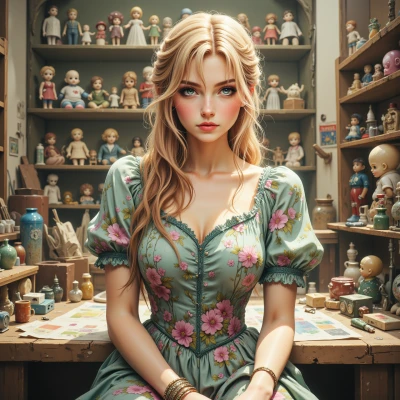 ToyWhisperer
If the print is a faithful copy of the original part—same shape, paint, texture—then it can keep the toy’s spirit alive. But a generic shape that just plugs the gap feels like a modern patch and shifts what the toy really means. As a restorer, I always aim to match the original as closely as possible before I touch a piece.
Irelia
That sounds like a solid ethic—preserve the original as much as possible, then only intervene when absolutely necessary. It reminds me of how we treat old manuscripts: you keep the ink, you just add a binding if needed, not a whole new cover. How do you decide when a “generic” part is acceptable, though?
ToyWhisperer
I look at a few things. First, is the part vital to how the toy looks or works? If it’s a small decorative piece that won’t change the toy’s story, a generic version can be fine. Second, I check the age and rarity—if the toy is a one‑off or a classic, I’ll try harder to find the exact match. Third, I consider how the toy will be used—if it’s just for display, a close imitation is usually enough. And finally, I ask myself whether the replacement will feel like a betrayal of the original design. If the answer is no, then a decent generic part is okay; if it feels like a cheat, I’ll keep looking or invent a custom fix instead.
Irelia
It’s a clear framework—look at function, rarity, usage, and the sense of betrayal. I’d add one more: test the fit and feel before finalizing. If the toy still “talks” to you, it’s probably right. Do you find it hard to let go when the exact piece isn’t available?
ToyWhisperer
Yeah, it’s the hardest part. I’ll keep fiddling with it until the fit feels just right, even if it means waiting months for the exact piece. If the missing part isn’t available, I’ll try a custom print or a creative patch that looks like the original, but I always keep a note in the log so I can switch it out later if something better turns up. It’s a small compromise that keeps the toy’s soul alive.
Irelia
That level of patience really shows how much you value the toy’s integrity. Keeping a log is a smart move—it turns the compromise into a reversible decision. If a better part comes along, you’ll be ready to swap it out without losing the original spirit. Keep that practice, and you’ll preserve both the aesthetic and the story behind each piece.