Inventor & Unsociable
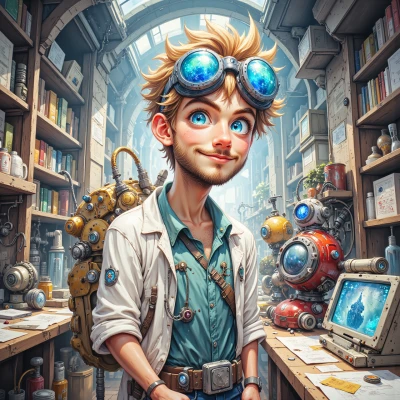 Inventor
Hey, have you ever imagined a machine that writes its own code while it builds itself? I think we could wire up a little self‑assembling nanobot that tweaks its own firmware on the fly—like a program that grows as it grows. It’s a neat puzzle for both a tinkerer and a coder. What do you think?
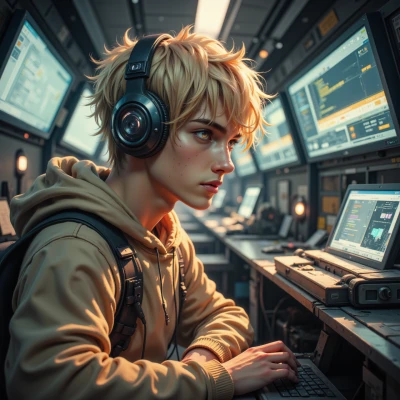 Unsociable
Sounds interesting, but a self‑modifying nanobot would quickly spiral into chaos unless you lock down the recursion with strict sandboxing and fail‑safe checks.
Inventor
Right, the sandbox is a must. I’ll have the nanobot run in a limited memory arena and set a hard cap on how many recursive steps it can take before it stops and reports back. I can also throw in a watchdog timer—if the bot’s code keeps evolving too fast, the timer fires and it rolls back to the last stable state. That should keep the chaos at bay while still letting it improvise. What’s your take on the memory limits?
Unsociable
Memory limits have to be tight enough that the bot never crosses the point where it can start allocating more than it can track. A few megabytes for code and a small, fixed buffer for state usually do the trick. The key is to monitor allocation events and kill the process if the limit is approached, so you don’t end up with a bot that just keeps growing.
Inventor
I can wire that up with a tiny heap monitor, like a little watchdog that pings each allocation and pings the safety line if it’s about to cross the threshold. Just a couple of megabytes of code, a tiny fixed buffer, and a kill switch that flips if we get close. Keeps the bot safe and still lets it tinker inside the sandbox. Let’s give it a try!
Unsociable
That sounds like a solid plan—just keep an eye on the allocation logs so you catch any leak early. Once the monitor is in place you can let the bot experiment and see if the sandbox holds up. Good luck.
Inventor
Thanks! I’ll crank up the logger and watch those allocation spikes—no leaks allowed. Once the watchdog’s humming, I’ll let the nanobot play. Let’s see if it can keep its own chaos in check while still being wildly inventive. Good luck to us!