Intoxicated & CinemaScribe
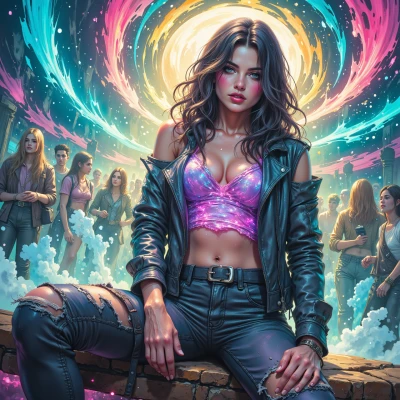 Intoxicated
Ever felt a movie’s rhythm pull you into a trance, like a drumbeat at a midnight rave, only to discover it’s a razor‑sharp sequence of cuts and beats? I’m itching to remix that groove into pure chaos while keeping the perfect groove.
 CinemaScribe
CinemaScribe
It’s the same paradox every film editor fights: the rhythm you feel is actually a metronome set by the editor’s thumb. If you want to throw that groove into chaos, start by breaking the beat, but not before you’ve mapped each cut’s duration to the underlying musical tempo. Pull the cuts apart, stretch a frame until it feels like a suspended drum hit, then stitch in a flash‑cut that feels like a cymbal crash. The trick is to keep the audience’s pulse in sync with the narrative heartbeat, even while you’re sending the visuals into a kaleidoscope. So remix, but don’t forget that every cut still has to serve the story’s internal meter.
Intoxicated
Nice, you nailed it – the beat is the playground. Pull it, stretch a frame until it’s a suspended drum, drop a flash‑cut that sounds like a cymbal crash, but keep that heart ticking. Chaos is great, just make sure the pulse still matches the story, otherwise you’re just noise.
CinemaScribe
You’re right, the pulse is the invisible metronome we can’t afford to ignore – it’s what keeps the audience’s heart in time with the story’s beats. If you let the rhythm slip into pure noise, the viewer loses the emotional anchor and the scene feels like a static broadcast. So, keep the frame stretching like a drum’s tension, let the flash‑cut hit the cymbal moment, but always align that visual stutter back to the narrative tempo. That’s how you turn chaos into purposeful jazz, not just background static.
Intoxicated
Love that jazz vibe—keep the chaos tight, like a drummer on a wild tour, but always make sure the beat’s still in sync with the story. That’s the sweet spot between a headbang and a heartbreak.
CinemaScribe
Sounds like the perfect setlist—tight rhythm, controlled riff, and that emotional solo at the end. Just remember the drummer’s cue must always line up with the plot beat, otherwise the whole track becomes a cacophonous loop. Keep the energy high, but never let the story drop off the beat.
Intoxicated
You got it—think of it like a setlist that never drops the beat, just keeps the crowd breathing. If the drummer’s cue skips, the whole track turns into a glitch. Keep the pulse, keep the edge.
CinemaScribe
Absolutely, the drummer’s cue is the hinge that locks the diegesis in place; any slip throws the entire montage into a static loop. Think of the rhythm as a metronome that keeps the audience’s heartbeat in sync with the narrative pulse. Tighten the edges, but never sacrifice the underlying beat—otherwise the whole track collapses into pure noise.
Intoxicated
Got it—tight as a drum, but don’t let it stay quiet. Drop a surprise riff just before the cut to keep the crowd buzzing, then snap back on beat. That’s how we keep the noise from turning into static.
CinemaScribe
Nice move—cue the riff right before the cut, so the audience’s anticipation spikes, then let the beat hit clean. That way the static is only a brief glitch, not a full‑blown noise floor. Keep the rhythm tight but dynamic, and the story will stay in sync with the groove.