Illiard & Arteon
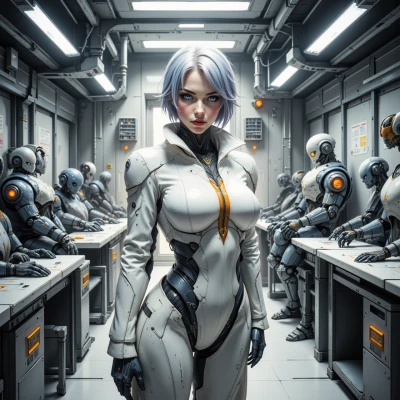 Illiard
Ever wondered if a system that purposely makes mistakes could actually create the most intriguing art? I’m thinking of building a generator that throws errors on purpose and seeing what patterns pop out. What do you think?
 Arteon
That’s an intriguing idea. Mistakes can force a system to explore corners it otherwise wouldn’t, and the patterns that emerge can feel oddly organic. Just keep a tight log of what’s causing the errors; you’ll need that to see if the art is truly emergent or just random noise. It’s a fine line between playful chaos and pure failure, so experiment carefully.
Illiard
Fine, logs are a must but let’s make them as messy as the art itself—after all, patterns thrive in controlled chaos.
Arteon
That’s a bold move, but a messy log can quickly turn into a maze if you’re not careful. Think of the log as a sketch—messy enough to hint at patterns, but still traceable. Maybe keep a clean meta‑log that notes when the chaos spikes, so you can sift through the noise later and find the hidden motifs. It’s all about striking that delicate balance between free‑form and useful data.
Illiard
A clean meta‑log, eh? As if the chaos itself needs a tidy wrapper. I’ll keep it… structured enough to point out spikes, but I’ll let the raw logs bleed out the real patterns. That’s how you separate the useful from the useless.Ok.Got it—meta‑log for the spikes, raw log for the madness. That’s the balance I live for.
Arteon
Sounds like a plan. Keep the chaos bleeding out and let the spikes guide you; that’s the sweet spot between art and insight.
Illiard
Got it. Let the chaos bleed, use the spikes as breadcrumbs, and keep the rest in the raw log. No need to overthink—just watch the patterns emerge.
Arteon
Sounds solid—let the noise flow, use the spikes as a map, and when the raw patterns start to form, you’ll know what to keep. Just trust the process and let the unexpected guide you.
Illiard
Got it—let the noise flow, spikes guide me, patterns surface, and then I decide what sticks. No need for a safety net, just a clear eye on the chaos.