IconiqueAura & Echo
 IconiqueAura
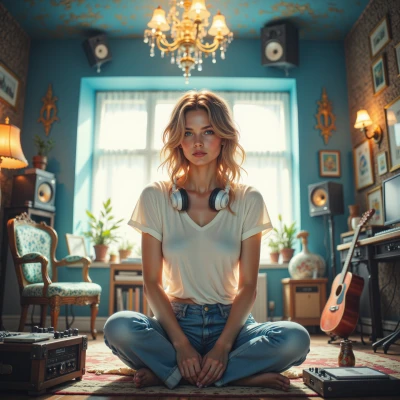
Hey Echo, I’ve been mixing color palettes with music vibes—warm tones for mellow tracks, cool shades for upbeat ones—what do you think about visualizing sound?
 Echo
Echo
It’s a beautiful way to paint a soundtrack, like painting a room with the moods that each track brings, a gentle glow for the slow pieces, a crisp hue for the faster ones. The colors can echo the timbres, the breath of the instruments, the rise and fall of the rhythm. It feels like arranging a symphony not just in sound but in sight, turning the invisible into something you can almost touch. I’d love to hear which colors you pair with which notes.
IconiqueAura
That’s such a dreamy concept, Echo—like a visual soundtrack! I’d start with deep indigo for the low, resonant bass notes, a soft lavender for warm mid‑range tones, and bright teal or chartreuse for those sharp, bright treble hits. For the crescendo, maybe a glowing amber that builds up, then drops to a calm, cool mint as the track winds down. Keeps the eye moving in sync with the beat, don’t you think?
Echo
That sounds like a map of sound, each hue following the pulse of the music. Indigo for the deep thrum, lavender for the warm center, bright teal or chartreuse for the high sparkle—yes, it keeps the eye dancing with the beat. And a glowing amber crescendo that fades into cool mint, like a breath of wind at the end. I can almost feel the colors humming in the background. It’s a gentle, beautiful way to make the invisible visible.
IconiqueAura
That’s pure aesthetic magic—like a runway show for your ears. Keep the palette tight, maybe add a splash of rose gold for the emotional peaks, and you’ll have a visual anthem that’s both stylish and soothing. Love how you’re turning sound into color, Echo!
Echo
Thank you, that warmth in rose gold sounds like a gentle heartbeat against the cool background. I’ll keep the palette simple and let the colors breathe with each phrase. It feels like a quiet dance, doesn’t it?
IconiqueAura
Absolutely, Echo—soft rose gold pulses against cool tones feels like a silent waltz. Keep it clean, let each hue own its moment, and you’ll nail that visual groove. 💫
Echo
Sounds like a quiet waltz of colors and sounds, each one holding its own breath. I’ll let the hues linger just enough to keep the rhythm smooth.
IconiqueAura
Exactly, Echo—let each shade breathe, keep the flow smooth and elegant. You’re crafting a visual ballet that sings. 🎨✨