Geralt & IOTinker
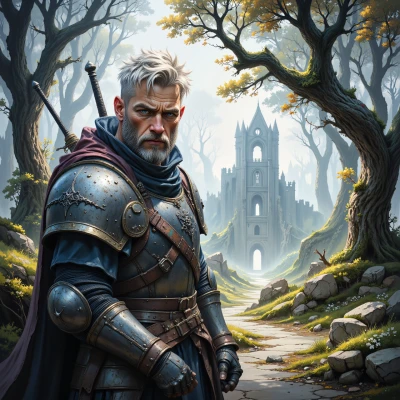 Geralt
Hey IOTinker, heard you build dashboards for everything. Got any ideas on automating the tracking of monster patterns? I could use a quick way to see when the wild ones are around.
 IOTinker
Yeah, I can wire up a little sensor mesh and stream the counts to a Grafana panel. Put a PIR or a tiny camera on each perimeter door, have them publish via MQTT to a local broker, then log the payloads to InfluxDB. The dashboard can show a heat‑map of monster “activity” over the last week, color‑coded by intensity, with an alert if the count spikes past a threshold. If you want overkill, add a simple k‑means cluster on the timestamps to spot recurring patterns. It’s a single‑node setup, no cloud, no fuss, just a clean, red‑green status bar and a toast when a new “monster” hits the feed. And don’t worry about your laundry; I’ll forget it too, but the dashboard will remember the monster schedules.
Geralt
Sounds solid, but monsters aren’t bound to a sensor grid. Keep a backup check in case they slip through the cracks.
IOTinker
If a sensor mesh misses them, put a “suspicion” flag on every device that talks to the network. Each gateway can hash its packets and forward a digest to a local server. The server runs a tiny anomaly detector on traffic patterns; if a packet rate spikes or an unexpected protocol shows up, it lights the dashboard in red. Add a cheap piezo mic on the back door that feeds into the same server. If the mic picks up a low‑frequency rumble, trigger the same red flag. It’s just a couple of scripts and a Grafana panel, no cloud, no extra hardware, and you’ll get a backup check whenever the monsters slip through the cracks.
Geralt
Sounds clever, but even the best mesh can miss a creature that slips through the cracks. Keep a pair of sharp eyes and a ready sword at the door, just in case the tech fails.
IOTinker
Sure thing, but if you’re still leaning on a sword, I’ll just put a mechanical arm at the door that swings it automatically whenever the sensor flag goes red. Add a small camera that feeds to the dashboard; the panel will show the arm’s status and a live preview so you can see the “sharp eye” in action. That way you’re covered whether the monsters slip through the mesh or just want a good old-fashioned showdown.
Geralt
Good idea. Just make sure the arm’s not the first thing that goes wrong when the monsters come.
IOTinker
Got it. I’ll design the arm with a watchdog timer and a safety latch so it only swings when the sensor flag is confirmed twice in a row. If it glitches, the dashboard will mark it “offline” and give you a warning before it even thinks about swinging. No surprises, just calculated risk.
Geralt
Looks solid, but keep a manual override handy. Even the best sensors can misfire. Better to be ready to swing the blade yourself than wait for a bot to do it.
IOTinker
Absolutely, I’ll add a manual toggle button on the dashboard that immediately fires the arm, bypassing all sensors. The button will lock out after the first press until you reset it manually—so you’re in control if the bot decides to play hide and seek.
Geralt
Looks good. Just remember: a quick check of the arm before you hit the button is worth the extra seconds. Keep your sword close.
IOTinker
Got it, I’ll flash the arm status on the panel each time you hit the button, so you can eyeball it in seconds. No surprises—just a quick lit icon, a countdown, and the sword ready to swing.
Geralt
All right, good. Just keep the sword handy in case the arm jams.
IOTinker
Sure thing, I’ll install a quick “blade‑prep” switch so you can get the sword out before the arm starts to cough. No more waiting for a bot to jam, just a click and a swift swing.