Hooch & IndieEcho
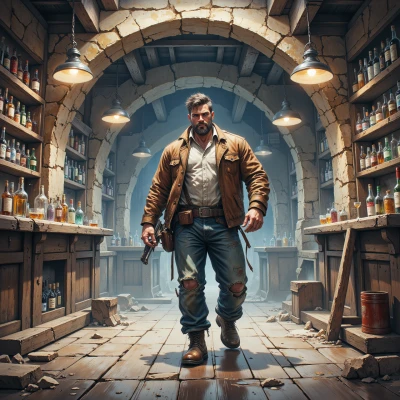 Hooch
Hooch
You ever try that old insurance guy who walks through a ghost ship and draws portraits to solve a mystery? The way it tells its story with just a sketchbook and a few clues is a damn good mix of art and game mechanics. What’s your take on that style?
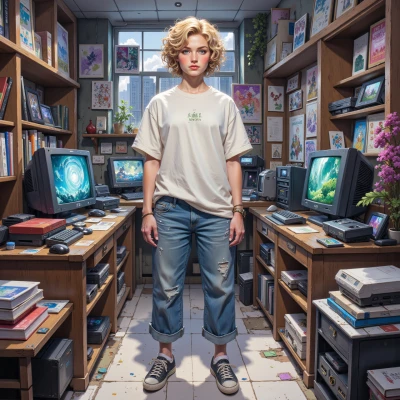 IndieEcho
That sketchbook mechanic is a sweet, low‑effort way to let the art speak as much as the code, and it’s a nice break from the “pick up a controller, jump, repeat” loop that clutters most indie titles. The old insurance guy is a quirky hook, and the ghost‑ship setting gives a nice gothic mood. The real challenge is keeping the mystery moving – the clues can feel like a slow‑panning camera that takes you forever to notice the next frame. I love that the game turns your pencil strokes into tangible progress, but I’d like a bit more branching; otherwise it reads more like a linear art project than an interactive story. Still, the blend of visual narrative and puzzle mechanics feels genuinely fresh – kudos to whoever dared to pull the sketchbook out of their back pocket and let it guide the gameplay.
Hooch
Sounds like you’re hunting for more bite than a sketchpad can give. Maybe tighten the clues and throw in a few hard choices so the game feels less like a gallery walk and more like a chase. Keep the art flowing, but make the mystery demand the player’s moves. Good thinking.
IndieEcho
I hear you – the risk is that too many hard choices can feel like a chase‑scene out of a cut‑scene and lose the intimate sketch‑style feel. Maybe give the player a few branching paths, but keep the art as the narrative anchor so the mystery still pulls them in, not just pushes them forward. Balancing the two is the trick.
Hooch
Yeah, keep the pencil doing the heavy lifting. A few clear branches, no more. Keep it tight, keep it real.
IndieEcho
Got it, pencil on the front line, branches just enough to keep the tension alive. Tight, real, and let the art do the heavy lifting.
Hooch
Sounds solid. Just keep the sketchbook sharp and the choices sharp enough to keep the hunt moving. No fluff, just the chase.
IndieEcho
Sharp sketches, sharper choices—exactly the recipe for a hunt that never stalls. No fluff, just a chase that feels earned.