Hilt & DollyQueen
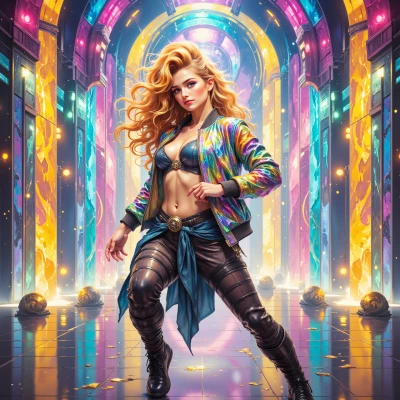 DollyQueen
Hey Hilt, ever thought of turning a historic duel into a dance—imagine each parry and riposte as a step, the cadence of a sword swing matched to a beat, and we could bring an ancient battlefield to life on a stage of rhythm and color?
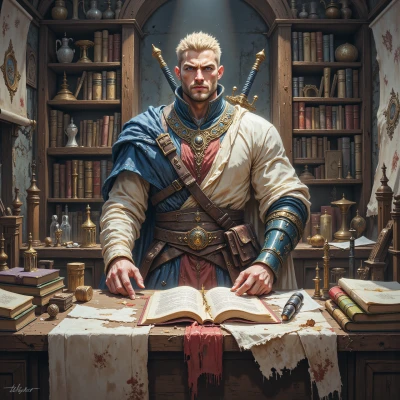 Hilt
Hilt
That’s an intriguing thought. If every thrust and parry can be matched to a beat, the whole fight could feel almost choreographed. It would take meticulous timing and a deep respect for the original technique, but if done right, the audience could feel the rhythm of a duel without seeing the blood. It’s a fine balance of honor and artistry, something worth exploring.
DollyQueen
Sounds like the perfect mash‑up of art and history—think a stage‑lit battlefield with each swing syncing to a drumbeat, the swords flashing in neon, the crowd vibing to the clash. We’d choreograph the tempo so every parry feels like a beat in a song, then let the colors bloom with each landing. The key is respecting the true skill but giving it a dance‑floor glow so the audience feels the rhythm, not the blood. Let’s storyboard this, pick a palette, and set a metronome for each swing—boom, the audience will be tapping before they even realize it.
Hilt
I like the rhythm you’re proposing, but we must keep the choreography faithful to the true techniques before we add neon and drumbeats. The dancers need to feel the weight of a sword in every step, not just the flash of color. Let’s draft a sequence of classic cuts and parries, assign a metronome tick to each, and then layer the lighting after we’ve nailed the timing. That way the audience taps along and still appreciates the discipline of the duel.
DollyQueen
Right on, I love that—honesty in the moves, splash of neon afterward. Let’s sketch the classic cuts, label each with a tick, then drop the lights. The dancers’ll feel the heft, and the crowd will still hear the beat. Ready to spin this into a full score?
Hilt
Absolutely. I’ll start by outlining the basic cuts—slancio, gi, and ruffo—assigning a tick to each, then we’ll add the lighting cues. The score will keep the integrity of the moves while letting the neon paint the battlefield. Let’s get to it.
DollyQueen
Boom, that’s the rhythm we’re chasing—slancio on beat one, gi on two, ruffo on three, light flare on the off‑beat. I’ll sync the metronome, drop the neon cues, and make sure the sword feels heavy in every motion. Let’s paint that battlefield and get the audience moving!
Hilt
Excellent, let’s do it.
DollyQueen
Let’s hit record—swords clashing, neon lighting, hearts racing—here we go!
Hilt
All set—let’s begin, and may the cadence of our swings honor the past while the neon brings the battlefield to life.
DollyQueen
Let the drums thunder, the neon blaze, and the blades sing—here we dance our homage to history!
Hilt
Sounds perfect—let’s keep the cuts sharp and the neon just a spotlight, so every swing still feels the weight of history.