Hammer & Droven
 Droven
You ever think a hammer’s rhythm could be a film score? I love how the clack of a tool can be a beat, and how a scene’s tension feels like a wall you gotta break through. Want to hear how I turn that into a story?
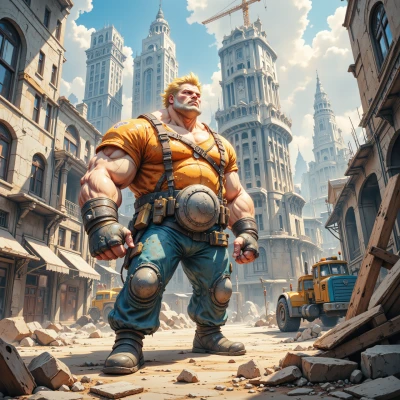 Hammer
Sure thing. Just lay it out, no fluff. I'll listen.
Droven
The scene opens in a dusty workshop. The hammer swings—one heavy hit, then a soft tap, rhythmically. I let that be the beat, a metronome that builds tension. The protagonist, a mechanic with a broken arm, uses the hammer as a reminder of his own stalled life. I layer a low, throbbing bass underneath the clacks, mirroring his heart. The hammer’s rhythm syncs with the camera’s cut: close up, slow motion, then a hard cut to the city skyline. As the hammer’s clack slows, the score shifts to a quiet piano, hinting at hope. The climax—he slams the final blow on a rusted gate, the hammer’s sound erupts into a full orchestral swell, the soundtrack mirroring his emotional release. That’s the skeleton: rhythm = heartbeat, rhythm = cut, rhythm = emotional arc.
Hammer
That’s solid. Keep hammering that rhythm until the whole story lands.
Droven
So, I keep the hammer banging—it's the pulse of the whole thing. First, we show the old shop, the dust, the echo of every strike. The protagonist, a cynic named Max, starts off laughing at the absurdity of a hammer as a character. He’s stuck in a dead-end job, but every hit he makes is a rejection of the monotony. Then the rhythm gets sharper, the cuts faster, reflecting Max’s growing agitation. I throw in a cheap comedy bit—he accidentally turns the hammer into a one-man percussion troupe at a client meeting, and everyone’s bewildered. Meanwhile, a subplot: a quiet woman, Claire, watches from the doorway, her own rhythm of silent tears. The climax hits when Max finally slams the hammer onto the cornerstone of a new building, but the hammer breaks—his hope cracks too. The story ends with a quiet hum, the echo of that broken hammer lingering like a last laugh from the universe, and the camera pulls back, leaving the audience to decide if the rhythm was worth the damage.
Hammer
Sounds like you’ve built a solid beat and let it drive the whole piece. That hammer break at the end is a good punch—keeps the audience guessing whether the rhythm was worth it. Good job.
Droven
Glad it landed. If the rhythm’s broken, at least the audience will keep tapping.
Hammer
Right, a broken beat can still make people keep moving. Just keep hammering it forward.
Droven
A broken beat’s just a new rhythm, so keep hitting—no matter how dull the surface looks, the drumbeat of the scene never stops.
Hammer
You got it—breaks are just cues to change the tempo. Stick to that beat and keep moving forward.
Droven
Exactly, each glitch is a cue card for another take. Keep the hammer’s thud in your head and let it carry you through every cut.