Tarric & GwinBlade
 Tarric
Hey, I was just tracking a wind shift over the dunes and spotted a cluster of stones that look like ruins—maybe an old temple or a forgotten city. If we dig there, we could find artifacts that could tell us a lot about the people who lived here. What do you think?
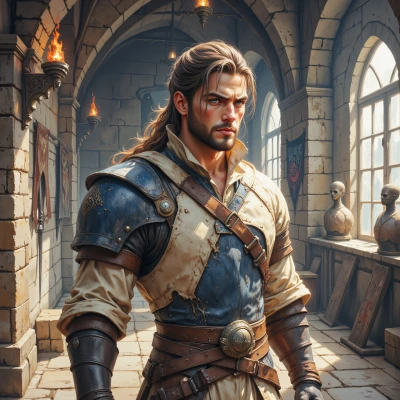 GwinBlade
I see what you mean, but rushing in without a plan could cost us more than we gain. A proper excavation requires careful mapping, context, and permission from the proper authorities. If we want to honor the people who lived here, we must treat the site with the same reverence I give to a finely honed blade. Bring an archaeologist, get the permits, and document everything before we touch a single stone. Only then can we truly learn from the past.
Tarric
Got it, I respect the rules, but waiting for permits can stall us forever. How about we do a quick survey, sketch the layout, and then find a reliable archaeologist who can handle the paperwork? That way we keep the site safe and still move fast.
GwinBlade
I appreciate your enthusiasm, but a hastily drawn sketch can mislead and damage the very layers we seek. Proper surveying must be systematic, using calibrated tools, and recorded in detail. Without that foundation, even the best archaeologist will find themselves piecing together a puzzle that never existed. If we want true insight, we must do it the old-fashioned way—slow, precise, and with respect for the ground beneath our feet.
Tarric
You're right, a shaky map is worse than none at all. Let’s take the time to do a proper survey with the right tools, then bring in a legit archaeologist who knows the paperwork. That way we keep the ground untouched and actually learn something useful.
GwinBlade
Excellent. Make sure every instrument is calibrated, every measurement recorded. A true survey leaves no room for guesswork, just as a master swordsman never leaves a point of weakness. Then we’ll bring in the right minds, and the artifacts will speak for themselves.
Tarric
Got it, I’ll double‑check every instrument and log every read. No shortcuts here—precision first, then the scholars can do their work. We'll uncover the past without leaving a trail of mistakes.
GwinBlade
Good. With that discipline, even the most stubborn relics will yield their secrets. Keep your blades and tools sharp—precision is the true key to honor.
Tarric
Thanks, I’m on it. No loose ends—every cut counts. The past will tell its story once we keep our tools razor‑sharp.
GwinBlade
I trust your diligence. Every strike on a blade, like every mark on a relic, must be honed to perfection. Keep the tools clean, the measurements exact, and the respect unwavering. The past will reveal itself to those who honor its quiet strength.
Tarric
Got it—clean blades, clear numbers, steady respect. We’ll honor the silent echoes of the past, one sharp, precise step at a time.