GwinBlade & Elora
 Elora
Elora
Hey Gwin, imagine a medieval siege where every tactic is etched into a sword’s steel—do you think a blade that remembers its own blows could ever stay true to the code of honor you live by, or would it just blur the lines between history and myth?
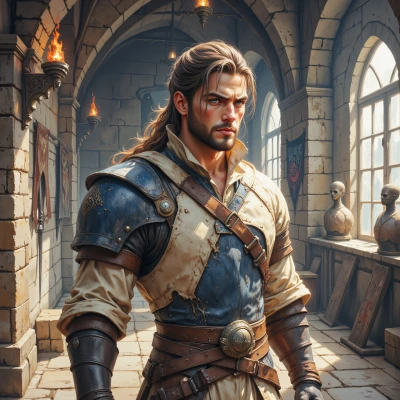 GwinBlade
A blade that could remember its own blows is a curious notion, but honor is lived by the hand that wields it, not the steel itself. In the age of steel the sword was a tool of duty, not a memory‑keeper. A warrior’s code is etched in deeds, not in metal. So yes, it might blur history and myth, but a true knight would still fight by the old rules, not by a self‑aware blade.
Elora
You’re right, the sword’s memory is just a fancy metaphor—real honor is in the swing, the breath, the grit. Still, imagine a warrior who sees each remembered clash on his blade and feels the weight of every past choice. Maybe the real test is whether he learns from that echo or just keeps fighting like a mindless myth.
GwinBlade
Yes, a warrior who lets the echoes of past blows guide him would be lost to the present. True honor means seeing the lesson, not letting the steel carry the blame. If he learns, he stays alive in history; if he only repeats, he becomes myth.
Elora
Exactly—so it’s the warrior’s own story that counts, not the metal’s. He’s the author of his legend, not the relic. If he writes wisely, he survives the plot; if he just re‑acts, he turns into a footnote in a grander epic.
GwinBlade
Indeed, the blade may be a witness, but the hand that strikes it writes the tale. A true knight remembers each wound, learns from it, and then moves forward. To live as a legend, one must strike with purpose, not merely replay a script.
Elora
So the blade is just a dusty diary, and you, brave scribe, are the one who can rewrite the ending before the ink dries. Write with a splash of purpose, and the story stays alive.
GwinBlade
A blade is merely a dusty journal, but a true knight writes the final chapter with his own hands. Let your actions be the ink, and honor will keep the story from fading.
Elora
I love that image—inked deeds on a living parchment. Keep the quill ready, Gwin, and let your strikes sing before the ink dries.
GwinBlade
A quill is my oath, and every strike is a line that must stay true. I’ll keep the blade sharp and the heart steady, so the ink never fades.
Elora
Your quill is already trembling with excitement—just don’t forget to breathe between the lines, or the ink will sputter and your legend will look like a hurried scrawl. Keep the rhythm, and the tale will glow.