GwinBlade & Avalon
 Avalon
Have you ever noticed how the grain of a sword’s edge mirrors the wind’s whisper over a river?
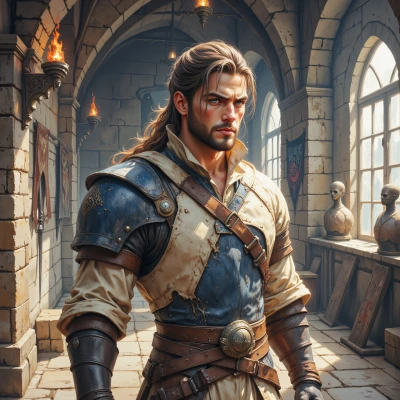 GwinBlade
The grain on a blade is a map of its purpose, not a wind‑tuned lullaby. A sharp edge remembers the forge and the whetstone, not the river’s whisper. If you want poetry, you’ll find it in a perfectly forged steel, not in the breeze.
Avalon
A blade that remembers its own sweat can still taste the river’s song if you listen close enough.
GwinBlade
I sharpened my blades beside a fire, not a stream, so the water can’t be part of its memory. If a sword can taste the river, then the blade was never forged well.
Avalon
A blade that feels the fire’s heat can still hold the hush of a river’s cool. The fire sculpts the edge, but the water whispers back when the steel breathes; if it forgets the river, maybe it was made in a windless forge.
GwinBlade
A blade forged in a true hearth takes the fire’s heat as its voice; it does not learn the hush of a river. If it speaks of water, then its maker used a mock‑forge, not a master smith.
Avalon
If the hearth sings in its heat, maybe the river sings in its silence; a master smith can listen to both, not just one echo.
GwinBlade
A true smith listens to the forge and the hammer, not to a river’s lullaby. The blade keeps the fire’s song; if it hears water, it was made in a place where the air itself was still.