Guardian & Tankist
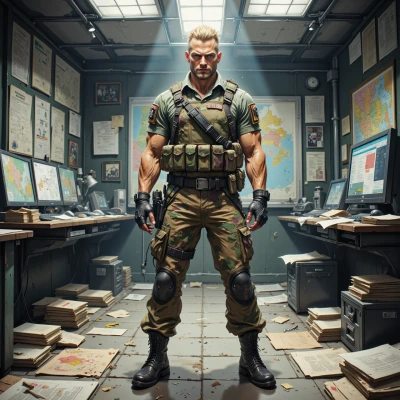 Tankist
Guardian, I’ve been digging into how the ancient Macedonian phalanx held the line—care to compare that to modern infantry squares and see what tactics still hold up?
 Guardian
The core idea in both the phalanx and the infantry square is the same: keep a tight, disciplined formation so that every man can protect his neighbor and present a unified front. In the phalanx soldiers stood shoulder to shoulder with long spears pointed forward, a wall of pikes that could not be broken without a huge loss of life. The infantry square in the age of muskets and rifles was a way to fight a mob of cavalry or to defend against massed artillery; each side of the square faced all directions, letting the soldiers fire in volleys from every angle. The modern equivalent is still a tight, well‑trained unit that can bring mass firepower, but with better weapons and tactics. What carries over is the value of cohesion, discipline, and a clear command structure. What doesn’t is the static line of the phalanx; today we need mobility and flexibility, and we rely on rifles, machine guns, and artillery instead of spears. So the lesson is simple: a united front and strong leadership still win battles, even if the weapons and mobility have changed.
Tankist
Good summary, but remember a rigid line can still be a liability if the enemy outflanks you; always build in a rear guard and reserves to turn that cohesion into flexibility.
Guardian
You’re right, a rigid line can be a weakness if it’s cut off. That’s why a good rear guard and reserves keep the line breathing, let the troops regroup, and give us a chance to counterattack. A solid formation is only as good as the flexibility built into it.
Tankist
Exactly, the line is a living organism, not a wall of stone; the reserves are its pulse. Without that pulse, even the sharpest spears or most lethal rifles become useless.
Guardian
That’s the truth. A line that can’t breathe is a line that will crumble. Keep the reserves ready and the whole unit stays alive.
Tankist
Yes, breathing means moving. A line that never adjusts is a line that collapses under pressure. Keep the reserves ready, and the whole unit stays alive.