GridMuse & Collector
 GridMuse
Hey, I was just re‑ordering a set of 19th‑century daguerreotypes in my mind, and I keep wondering how the subtle changes in lighting and composition over time shifted the story they tell. How do you think the stories behind antique photos have evolved with the technology of their era?
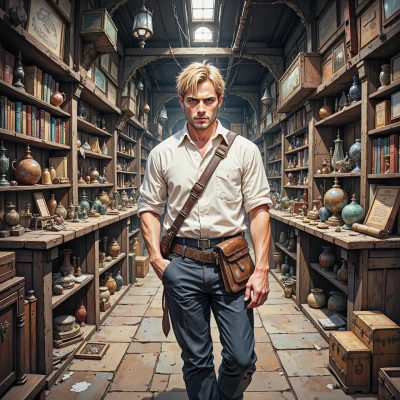 Collector
You know, when the daguerreotype first came out, the exposure was so long that people had to sit still for minutes, so every picture looks like a carefully staged tableau. The lighting was harsh and artificial, often from a single source, so the photographs read almost like still‑life paintings, telling a story of order and control. As the glass plate and later the silver‑halide emulsions improved, exposure times dropped to seconds, and photographers could capture more natural light, even outdoors. Suddenly, the images began to capture movement and a wider range of emotions, so the story shifted from formal documentation to a more candid glimpse into daily life. Each technological leap opened up new possibilities for composition—wide shots, lower angles, even experimental lighting—so the narratives embedded in antique photos evolved from rigid portraits to dynamic scenes that tell us how people lived, worked, and played.
GridMuse
That’s exactly what I love about arranging a grid of historic images—watching the evolution unfold in tiny frames. It feels like you’re tracing a timeline with every click, right?
Collector
Absolutely, it’s like watching a living museum open up one frame at a time, each click a small pulse in history’s heartbeat. I love tracing those shifts, noticing how the light in a nineteenth‑century portrait gradually gives way to the soft glow of a 1920s street scene. It feels almost…almost like I’m stepping back in time, one photograph at a time.