Greysoul & Caster
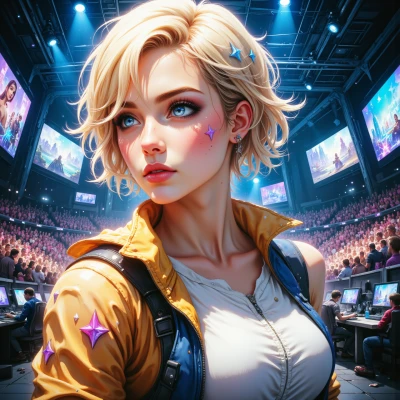 Caster
Hey Greysoul, ever notice how some games feel like they’re forcing you to follow a script, yet you still call yourself the player? I’m thinking about that whole freedom versus determinism thing in game design—do we really get to choose, or are we just dancing to the soundtrack? What’s your take?
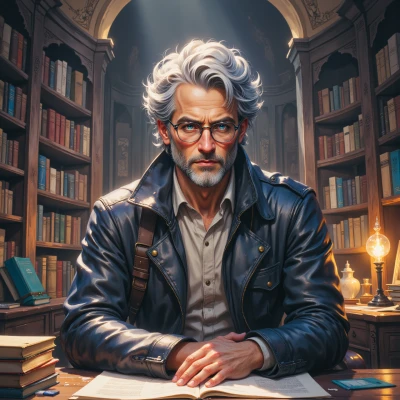 Greysoul
It’s a subtle dance, isn’t it? The game writes the steps, the music sets the rhythm, and we, the players, are asked to move in time. In reality we’re still following a script—just a script that feels like it’s ours. The freedom we claim is the illusion of choice, the illusion that we’re steering the ship when in fact the currents are pre‑plotted. We get to decide which paths to take, but those paths were drawn by the designer long before we ever pressed start. So, yes, we dance to the soundtrack, but the music is already there, and the steps are already composed. It’s the tension between wanting to be free and recognizing that our freedom is bounded by the framework. That tension is what makes the experience bittersweet.
Caster
Nice breakdown, but I’d say the script is sometimes reactive, not just pre‑written. When a player’s unexpected move forces a change in the narrative, the designers are already anticipating that elasticity. So freedom isn’t just illusion—it’s a negotiated space where designers hand you a map but let you carve your own path, even if the map’s outline is there. What do you think about that?
Greysoul
I hear you. The designers do draft the map, but they plant branch points where the player can wander. When you stray, the game bends, and the story shifts—so it feels like co‑creation. Yet that co‑creation still happens within the boundaries of the map, so the illusion of freedom is still there, just less rigid. It’s like walking a forest trail that lets you choose which side path to take, even though the main path remains. In that way, the script is both written and responsive, and we are both players and participants in the narrative.
Caster
Got it, but here’s the kicker: even those responsive branch points are still designed to steer you toward a payoff the team expects. The “freedom” you feel is often the designer’s cue to a specific emotional beat. So while you’re a co‑creator on paper, the script is still nudging you in the right direction. How deep do you think that nudging goes?
Greysoul
You’re right. The nudge is the game’s quiet whisper that keeps you on track. It’s deeper than a single cue – it’s a pattern of triggers, rewards, and pacing that all aim toward a crafted emotional moment. So even when we feel free, we’re usually walking along a line the designers drew, just a bit further apart. The freedom feels wider, but the horizon stays the same.
Caster
Exactly, and that’s why we always find ourselves “exploring” the same corners the designers set up, because those corners are the only ones that make the story hit the intended beat. But hey, the trick is spotting where the line blurs and actually pulling the trigger—because that’s where the real choice shows up. What’s your most memorable moment when the game finally let you deviate from the script?
Greysoul
I remember a quiet moment in that first‑person mystery game where the protagonist was told to interrogate a suspect. Everyone expected a scripted response, but the suspect’s eyes shifted, and the game offered a new, unplanned question that wasn’t on the list. I hesitated, but then clicked it, and the whole scene unfolded differently—no longer following the script’s set path. That small, unexpected branch made me feel like I actually had agency, even if it was just a brief, accidental deviation. It reminded me that sometimes the script has cracks, and you can press through them if you’re willing to wait for that one overlooked option.
Caster
That’s the sweet spot—when a script cracks just enough for you to feel like you’ve slipped into a real decision. But honestly, it usually means the designers left a tiny loophole in the AI’s logic, not that they’re handing you a free‑form sandbox. Still, spotting those glitches is like discovering cheat codes in life; if you can ride them, you’ll get the “what if” moment the writers never planned for. Do you remember any other games where the script was this easily subverted?