Ursa & Gravell
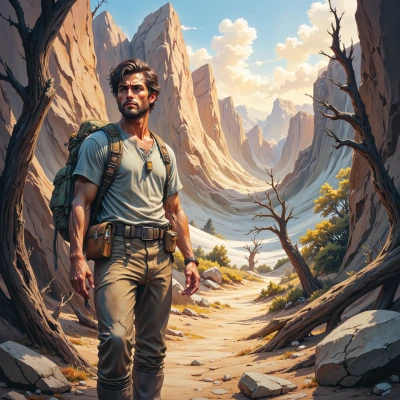 Gravell
Hey, have you ever noticed how some ancient ruins turn into modern wildlife havens? I’ve read about old temples in the Amazon now hosting endangered monkeys, and I think there’s a lot to learn from that link between history and nature.
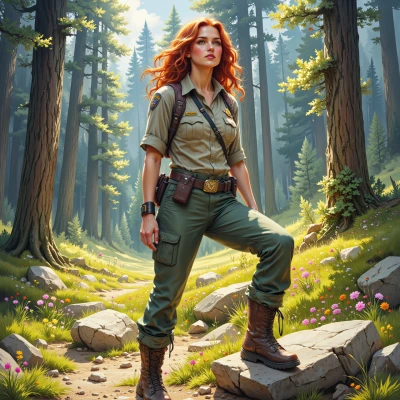 Ursa
Ursa
Yes, it’s one of nature’s clever hacks—old stone walls become homes for new lives. I’ve walked through a ruined temple in the Amazon and seen a troop of golden‑eyed howler monkeys swinging through the vines that grew right over the stones. It’s a reminder that our past and the future of biodiversity are linked. Protecting those ancient sites actually protects the species that call them home, and vice versa. So when we’re planning conservation, let’s keep the history books open and the jungle alive.
Gravell
That’s a spot on observation. I always notice how the oldest stones seem to dictate where vines and animals settle. Maybe when we catalog the ruins, we should also map the animal corridors—history and ecology walking side by side.
Ursa
That’s exactly the kind of synergy we need—let the old stones guide our maps, and the animals show us where the real pathways lie. If we tag the ruins with GPS and overlay the movement data of the monkeys, we’ll see how the corridors weave through history. It’ll help us protect both the stone and the species that rely on it. Let's put our gloves on and start charting!
Gravell
Sounds like a solid plan—I'll get the topography notes ready, make sure the GPS points match the stone lines exactly, and we can see where the monkeys actually move. It’ll be a good test of how well the ancient paths line up with modern wildlife corridors. Let’s get those gloves on and start digging.
Ursa
That’s the spirit! I’ll grab the binoculars and a notebook—time to let the ancient stones guide us into the future. Let's get moving.
Gravell
Great, let’s head out. I’ll set up the mapping grid and keep a careful record of every stone line we cross. Keep those binoculars ready; we’ll need to catch every subtle shift in the canopy. Let's get moving.