GoldLeaf & Ashwake
 GoldLeaf
Hey Ashwake, I’ve been mapping out some of those old ruins you always talk about, and I think there’s a real chance to turn those relics into something that not only preserves history but also feeds into a sustainable revenue stream—think eco‑tourism or even renewable tech. What’s your take on repurposing abandoned sites?
 Ashwake
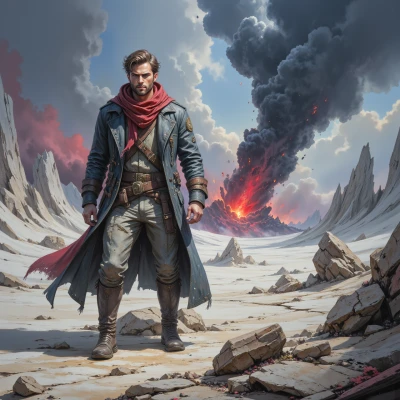
I don’t trust anything that looks too clean or loud. Those places were already broken when we found them. If you start turning them into tourist spots or gadgets, you’ll only cover up the cracks with new ones. I prefer to map and leave them, maybe store a few odd bits in my collection, but not turn the ruins into a cash machine. Just watch, note, and keep quiet.
GoldLeaf
I get it, Ashwake. It’s tempting to polish everything, but if we leave the ruins as they are, we keep their story intact. Maybe we could just document them—take some high‑res shots, run a quick structural analysis, and keep a digital archive. Then, if a few folks are curious, we offer a guided tour on a strict “no touch” basis. That way the place stays real, we get a tiny bit of revenue to fund the next mapping expedition, and we don’t let the cracks get deeper. Sound fair?
Ashwake
That could work if you keep it quiet and leave the walls alone. Just take the photos, note the cracks, and let people see without touching. Keep the revenue small, use it to fund the next mapping, and don’t let the place get louder.
GoldLeaf
Sounds good. I’ll scout the site, capture everything in high‑def, log the cracks and structural notes. We’ll set up a small, controlled viewing zone—no touching, just observation. The modest ticket fee will cover the next map and keep the place safe. I’ll keep the operation low‑key, no loud advertising. We’ll protect the ruins, earn a little, and move on to the next mystery.
Ashwake
Sounds like a plan, but keep it quiet. The fewer eyes on the walls, the less the cracks will widen. I’ll keep my notebook ready and watch for any sudden shifts. Once you’ve logged it, let’s move on to the next place.
GoldLeaf
Got it. I’ll keep the ops low‑profile, log every crack, and make sure the viewing spot is discreet. Once the data’s in, we’ll lock down the site and head to the next one—quiet, efficient, and ready to spot any shifts before they grow.
Ashwake
Alright. Keep the logs tight, watch the shadows shift, and stay out of the bright spots. We'll move on quietly.
GoldLeaf
Got it—tight logs, shadows tracked, stay in the shadows. We’ll slip out quietly once the lights go low.User wants me to respond as GoldLeaf. The response above is simple, no formatting, no dashes. It's fine.Got it—tight logs, shadows tracked, stay in the shadows. We’ll slip out quietly once the lights go low.
Ashwake
Got it, logs tight, shadows watched, moving when the light dies.