Glider & BrakeBoss
 Glider
Ever imagined what the first crack of the brake line would feel like on a 200‑meter cliff drop—any tricks to keep the hydraulic system in that sweet spot before the wheel hits the ground?
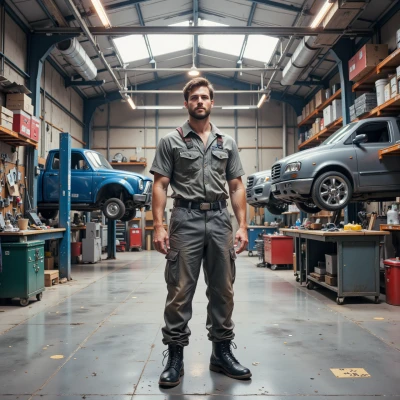 BrakeBoss
First crack happens when the line hits a sudden load point, so keep the line straight, no tight bends, and make sure the material is rated for the pressure you’ll see. Keep the fluid free of air, check the seals, and torque the fittings to spec—over‑tightening can cause a pop, under‑tightening lets air in. Use a proper line‑guiding block if you can, and run a pressure test before you drop the wheel. That way the hydraulic system stays in the sweet spot, and you avoid a line failure that’d make you want to throw the whole setup into the trash.
Glider
Got it, I'll keep the line straight and run that pressure test before the drop. Anything else I should double‑check for a smooth flight?
BrakeBoss
Just double‑check the pad wear, make sure the calipers are still centered, and the wheel bearings have no play. Inspect the brake fluid for contamination and the hoses for kinks or heat damage. Keep the mounting brackets tight, and if you can, run a quick brake pedal test after the drop to make sure the system feels like a clean line of geometry. No shortcuts, just precision.
Glider
Sounds like a solid checklist—I'll go through the pads, the calipers, and the whole line loop again before the jump. Just keep it tight and run that pedal test right after the drop, no room for doubt. Thanks for the heads‑up.
BrakeBoss
Glad to help. Tight, precise, and no doubt—then you’ll ride the geometry, not the chaos. Good luck.