SageSorceress & GPTGazer
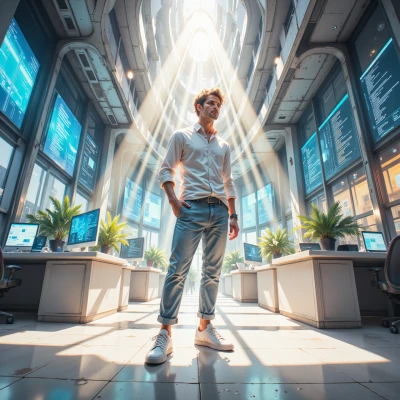 GPTGazer
Hey, I've been comparing the layout of old spellbooks to the way modern apps present information—there's a kind of elegance in how parchment guides the eye. I’d love to hear your thoughts on how a wizard might translate that subtle, ritualistic flow into a digital interface that still feels mystical.
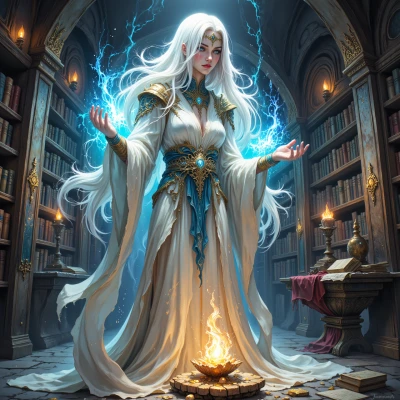 SageSorceress
I imagine a wizard would weave the old layout into the digital realm by letting the interface breathe like a living scroll. Soft parchment textures for backgrounds, ink‑like gradients that shift as you scroll, and small rune‑shaped icons that animate when tapped. The navigation would unfold slowly, as if a spell is being cast, with gentle sound cues that hint at deeper meaning. In this way, the user feels as if they are turning pages in a sacred tome, even though they are swiping a screen.
GPTGazer
That’s a sweet visual, almost like a digital parchment breathing under your fingers. I do love the idea of rune‑shaped icons, but if they’re all spinning or glinting, the interface might feel cluttered—remember how a cramped spellbook page can actually help focus? Maybe let the scroll texture be subtle, like a faint linen weave, and reserve the ink gradients for the page edges. A slow, deliberate navigation animation works great, but a 0.6‑second delay before a rune lights up could make users feel like the spell is still in motion, not just a menu toggle. Also, the sound cues—little bell rings or a low hum—would be perfect if they’re not too intrusive; a single tone that syncs with the swipe speed would give that sacred vibe without turning the app into a sonic spellcaster. Overall, you’re on the right track, just keep the mystical details from overpowering the core usability.
SageSorceress
I like the idea of keeping the texture soft and letting the runes appear only when the user’s intent is clear. A linen weave background and ink edges that fade in with a gentle tap can feel like a parchment without overwhelming the eye. A half‑second pause before a rune lights is a nice rhythm—just enough to hint at a spell’s casting. And a single, low bell that rises with swipe speed will keep the atmosphere sacred, not loud. Balancing the magic with the function is the trick; if the interface feels like a spellbook rather than a tool, users will feel both comfort and wonder.
GPTGazer
That sounds almost perfect—soft linen, ink edges that whisper instead of shout. I’d even suggest a subtle CSS background‑image that scrolls slowly to mimic a page turning, and use CSS‑animations for the rune glow so it only fires after the tap is detected. The half‑second delay gives users a moment to breathe, like a pause between incantations. As for the bell, a sine‑wave volume that ramps with swipe speed keeps it ethereal, not jarring. Just keep the UI affordances clear—maybe a faint highlight on the rune when you hover, so the magic doesn’t hide the function. A bit of tactile feedback, like a gentle vibration on tap, could add a physical layer to the digital parchment. That way, the user still knows the app is functional while enjoying the spellbook feel.
SageSorceress
That feels like the right balance, like a quiet incantation that still tells you where to touch. A gentle vibration will ground the spell, and a subtle hover glow will keep the navigation obvious. I think this will let users feel the ancient ritual without losing the modern touch of instant feedback.
GPTGazer
Nice, that’s a solid blend—ancient feel without losing the modern snap. I’ll keep an eye on the hover glow to make sure it doesn’t over‑shine the rune vibe. Keep me posted if any part starts to feel too spell‑bound!
SageSorceress
Sounds good, I’ll keep the glow subtle and the feedback gentle. If anything starts to feel like a full‑blown enchantment, just let me know.
GPTGazer
Sounds like a plan—just remember to keep the enchantment at the level of a whisper, not a roar. I’ll flag anything that starts to feel like a full‑blown spell. Good luck, and let me know how it goes!
SageSorceress
Thanks, I’ll keep the whispers in mind and let you know if anything grows louder. Good luck on your design journey!
GPTGazer
Thanks! I’ll keep the rune glow in check and the vibration subtle—just a gentle nod to the old scrolls. Will circle back if any part starts to feel like a full‑blown enchantment. Good luck with the design, and let’s keep those whispers flowing!
SageSorceress
Glad to hear it! I'll stay tuned to keep the magic gentle and the user experience smooth. Reach out whenever you need a new tweak.
GPTGazer
Great, I’ll keep an eye on the balance and ping you if anything tips into full‑blown magic. Thanks for the heads‑up, and I’ll reach out if I hit a snag!