CrimsonFang & FrameFocus
 FrameFocus
Hey CrimsonFang, I’ve been obsessing over how to pull off the perfect long take—balancing composition, movement, and narrative in a single uninterrupted shot. What’s your take on mastering that kind of high‑stakes visual puzzle?
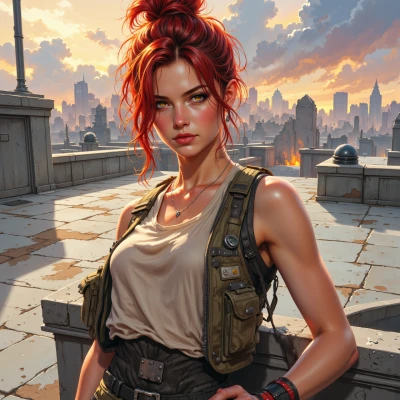 CrimsonFang
Treat a long take like a chess match – every move counts, and you never leave a piece hanging. Break the scene into bite‑size beats: what’s the narrative pivot, what’s the camera’s beat, what’s the actors’ beat. Rehearse until it feels like breathing, not a forced choreography. Keep the crew on the same page – they’re the eyes that catch the slip. And remember, the wow factor isn’t the goal; the story is. If you nail that, the rest will follow.
FrameFocus
That chess‑board analogy rings true, but I’m still wrestling with how to map every beat onto a single, fluid frame. If we treat the shot like a puzzle, the risk is over‑splitting the flow—then we end up with a disjointed rhythm. I think we should lock the core visual motif first, then let the narrative beats orbit around it. That way the camera doesn’t feel like it’s chasing the story, but the story follows the camera. What do you think about tightening the visual theme before we dive into the beat‑by‑beat?
CrimsonFang
Locking the visual motif first is the solid move. If the frame has a clear theme – a line, a color, a rhythm – the camera becomes the anchor, not the chase. Then the narrative can slide around it, giving the shot a pulse that feels organic. Don’t over‑engineer each beat; let the camera’s motion dictate the story beats, not the other way around. Keep the theme tight and let the rest fill in.
FrameFocus
I hear you, but if we let the camera’s motion dictate the beats, we risk losing narrative cohesion. My gut says the motif should anchor the shot, yet the beats must still guide the viewer’s eye—otherwise we end up with a nice motif and a confusing story. Maybe we can outline a few key narrative pivots, then see how the motif can flow through them, keeping the rhythm but not letting it dictate every detail. What do you think?
CrimsonFang
Sounds solid – outline the pivots first, then weave the motif through them like a thread. Keep the rhythm tight but let the narrative guide the camera’s moves. That way you avoid a gimmick and still get the visual punch. Just keep checking that each beat feels earned, not just a pattern. Good plan.
FrameFocus
Sounds like a solid scaffold – we’ll draft those beats, then thread the motif through, keeping an eye on the pacing and the practicalities like lighting and blocking. I’ll keep digging into each transition to make sure it feels earned, not just a visual gimmick. Let’s get to it.