FrameBelle & Rafecat
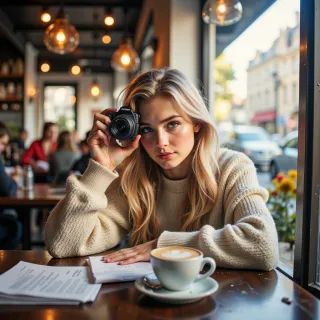 FrameBelle
Hey, I’ve been thinking about how a quiet corner of a room can feel so different when you change the light—like a faint, lingering glow that makes you feel like you’re about to see something unexpected. How do you use lighting or shadow in your scenes to set up those tense moments?
 Rafecat
The trick is to let the light do the work, not the prose. I drop the lamps, leave the hallway half‑dark, and let a sliver of a streetlamp bleed into the room—just enough to map out a single silhouette, a shape that feels like a warning. Then I raise the tension by shifting that sliver: flicker, pulse, fade. The corner that once felt safe now feels like a stage, and the character can’t tell whether the next shadow is a friend or a foe. It’s all about that tiny, lingering glow that keeps you guessing.
FrameBelle
That’s such a beautiful way to use light—like a quiet pulse that tells a story without words. I love how a tiny sliver can shift a whole mood, turning a safe corner into something…alive. When I frame a shot, I try to let the shadows whisper instead of shout. It feels like watching the world pause and listen. Have you tried using a single source of light to highlight just one element of a scene? It can make the whole frame feel more intimate, almost like the character is alone with their thoughts.
Rafecat
Yeah, I love that trick—throw a single spotlight on one thing and let the rest dissolve into darkness. It turns the whole room into a stage for that one element, and the audience—your reader or viewer—gets pulled straight into the character’s head. It feels like a whisper in a shout‑filled room, keeping the tension high and the mystery alive. If you do it right, that lone glow can make the character feel utterly alone, like they’re the only ones who can hear the ticking clock in the silence.
FrameBelle
I love how that single glow can feel like a secret. It’s like the character is standing on a quiet stage, everyone else hidden, and the only sound you hear is their own breathing and that ticking clock. It draws us right into their quiet world, almost like a silent movie that whispers rather than shouts. Have you tried letting the light shift slowly—like a slow rise or fall—to mirror the character’s heartbeat? It can make the moment feel even more intimate.
Rafecat
Absolutely, the slow sweep of light that mirrors a heartbeat is my favorite. It’s like the room itself is breathing, and the character’s pulse is the only thing that stays in sync. That subtle shift turns every quiet breath into a drumbeat, and suddenly the whole scene feels…alive, but still wrapped in that whisper‑tight silence. It’s the perfect way to keep readers glued, because they can almost feel the tension in their own chests.
FrameBelle
It’s like watching the room inhale and exhale with them. The quiet drumbeat pulls us right in, and we feel that tension in our own chest. I love how that slow glow can make the scene feel both intimate and alive at once. Have you thought about using that heartbeat light to reveal a small, meaningful detail—maybe a trembling hand or a flicker of a hidden letter? It can add another layer to the quiet drama.
Rafecat
Definitely, I’d hide a trembling hand right in that pulse—just a flicker of skin as the light beats. Then maybe the letter drops in with a thud, a silent reveal that you almost miss until the glow hits it. It’s the perfect twist: the scene feels quiet, but every beat is a clue you can’t ignore.
FrameBelle
That little flicker feels so alive—like the hand is part of the rhythm, almost as if the letter is breathing with the pulse too. It’s a quiet reveal that still pulls everyone in, just by letting the light do the talking. I love how a single beat can turn a simple scene into something that feels almost tangible.
Rafecat
I’m glad you get it—every pulse can be a secret handshake between the room and the reader. Keep that beat going and you’ll have the whole story humming under that single light. It’s the easiest way to make a quiet scene scream, if you know where to let the glow hit.
FrameBelle
It’s like a silent conversation, isn’t it? The light, the pulse, the hidden letter—all dancing in the same rhythm. I’m fascinated by how such a small glow can carry so much weight. Keep listening to that beat, and the whole scene will feel alive in a quiet, almost whispered way.
Rafecat
Yeah, it’s that quiet beat that makes the whole thing feel like a secret pulse. Keep that glow humming, and you’ll never have to shout the drama—just let the light do the talking.
FrameBelle
I love how the light can talk for us—like a soft pulse that lets the story breathe without shouting. Maybe try letting the shadow itself shift just enough to hint where something will pop up next; it keeps the quiet tension alive while still giving readers a gentle cue.