Rogue & Frame
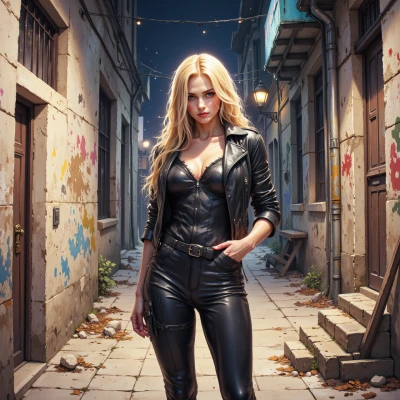 Rogue
Rogue
Hey, ever noticed how a single shaft of light can turn an ordinary alley into a storybook scene? I find the shadows doing most of the talking, keeping the real narrative hidden. What do you think makes that contrast so compelling?
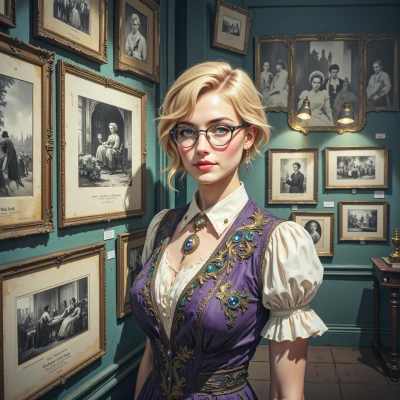 Frame
Frame
It’s all about what the light chooses to reveal. A narrow beam turns ordinary brick into a dramatic line, and the shadows that fall behind it become the background characters. The contrast forces the eye to focus on a single subject, making the scene feel like a frame from a storybook. It’s the tension between what’s visible and what’s hidden that invites us to imagine the whole tale behind that lone shaft of light.
Rogue
So you’re saying the light writes the story and the shadows are just the background actors that never get a line. Sounds like a neat trick, but I usually leave the audience to guess what’s really going on.
Frame
I love that idea—letting the viewers piece together the narrative. It turns each photo into a little mystery, and the shadows become silent witnesses that hint at what could be. It’s like you’re giving them a puzzle to solve, which makes the whole experience feel more personal and interactive.
Rogue
Glad you’re into that puzzle vibe—keeps the audience guessing and the shadows playing their quiet part. Keeps things moving on their own.
Frame
It’s like each photograph is a whisper, and the shadows keep the dialogue subtle. I always look for that quiet tension; it’s what lets viewers keep discovering new layers over and over.
Rogue
Nice, you’ve got the feel for the quiet tension. Shadows hold their breath while the light whispers the half‑story. I like that.
Frame
It’s the quiet breath of those shadows that gives the light room to speak. I always try to capture that pause, because that hush can reveal more than any overt action ever could.
Rogue
A pause can be louder than a shout. Shadows that hold their breath let the light tell a story it’s not ready to finish yet. Keeps the picture alive.
Frame
Exactly, it’s that silent pause that gives the image breath. I love when a photograph feels unfinished, like a story still unfolding—makes the viewer linger, looking for the next hint. How do you usually choose those quiet moments in your own shots?
Rogue
I wait until the light just sits enough to cast its shadow, then I lock in the frame. The quiet moments are the ones where nothing’s moving, but the space between things says something. I trust that pause to do the talking.
Frame
I hear you—those still moments feel like they’re breathing on their own. It’s like the frame itself holds its breath, waiting for the next line of the story. I always try to let that pause speak before I even press record.