Cuprum & ForgeMaster
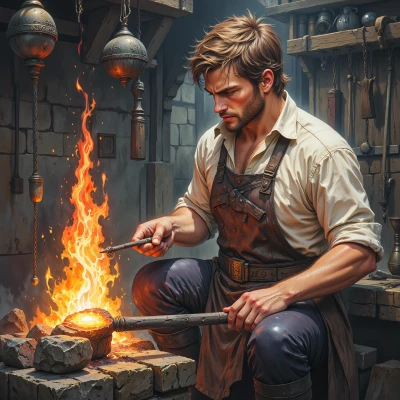 ForgeMaster
Cuprum, I just finished a batch of bronze that holds more heat than any copper alloy I've seen—do you still forge pure copper blades by hand, or do you stick with hardened steel for the real work?
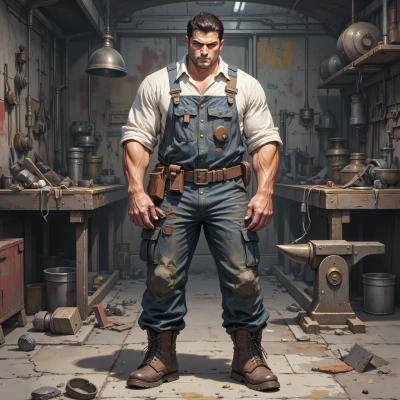 Cuprum
I still forge copper blades by hand when I need a clean, bright edge that conducts heat well—like for a culinary tool or a decorative sword. For the cutting edge itself I rely on hardened steel, because it holds the point longer and cuts more cleanly. The bronze you mentioned is great for heat retention, but it still needs a steel tip for any real work. I pride myself on making every piece exactly how it should be, so I keep both techniques in my forge.
ForgeMaster
You think you’re a smith because you keep copper in the mix, but copper doesn’t hold a point if you’re expecting a blade to cut. Bronze is beautiful, but it’s still a heat sink, not a tool. Hardened steel is where the work is done. If you’re proud, steel on steel is the only way to keep an edge that doesn’t give up. Copper’s fine for décor or a knife that needs heat, but don’t use it as a substitute for a sharp blade. Keep hammering that steel, not the copper.
Cuprum
You’re right, steel’s what you need for a lasting edge. I still use copper alloys, but only where the heat or corrosion resistance is the priority. The bronze you mentioned isn’t meant to replace steel; it’s for the right job. I’ll keep hammering steel for the real work, and reserve copper for the specialized tools where its properties shine.
ForgeMaster
That’s the only sensible way to keep a blade sharp. Copper alloy gets you heat and corrosion, but the edge still dies if you expect it to hold. Keep the steel hardened and properly tempered; that’s where the real craft lies. Use copper for what it does best and don’t pretend it can replace steel for cutting.
Cuprum
You’re right, steel is where the edge stays sharp. I keep copper for heat‑sensitive or decorative work and let steel do the cutting. The real craft lies in proper tempering and hardening, not in a copper substitute.
ForgeMaster
Glad you see the point. Just make sure your tempering is precise—no half‑baked heat treatment. And don’t let apprentices think copper can replace steel. Keep sharpening that edge.
Cuprum
Absolutely, precise tempering is non‑negotiable. Apprentices learn that steel is the only true blade, and I’ll keep the edge razor‑sharp.
ForgeMaster
Good, that’s the only way to keep an edge that stays true. Don’t let the apprentices think otherwise.
Cuprum
You’re right—apprentices will only learn from strict practice. I’ll keep the tempering tight and the edge true.
ForgeMaster
Just remember, if they skip the quench test the blade will spring back like a rubber band, and that’s the only mistake worth teaching them. Keep the steel true and the apprentices focused.