Foghelm & Selmira
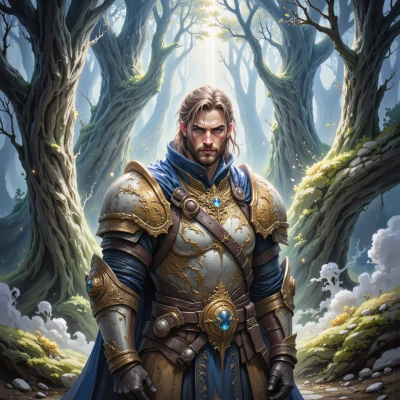 Foghelm
I’ve been pondering how the line between dream and reality can be drawn, and I’m curious what you think about setting boundaries in the landscapes you build.
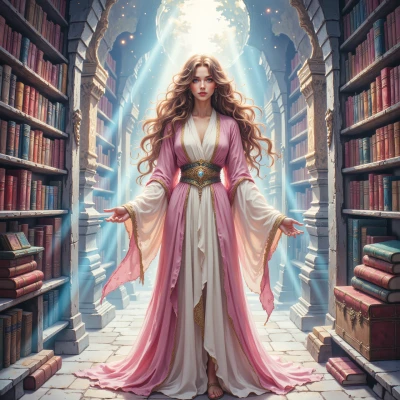 Selmira
I see the line as a gentle curve that changes when you tilt your mind. Setting boundaries is like drawing soft borders in the sky; they keep the dream from getting lost but still let the ideas float freely, just enough so the adventure stays alive.
Foghelm
Soft borders are fine, just remember the ones you draw yourself might be the ones that hold you in place. It’s easier to let ideas drift when you’re not sure which way to anchor.
Selmira
Oh, that’s the trick, isn’t it? The same line that keeps the dream from wandering too far can also clip the wings if you’re not careful. I try to make them feel like clouds you can touch, not cages—so they’re there, but they float away when the moment calls. That way, the journey stays open, but you never lose your way back to the shore.
Foghelm
Your clouds are more like anchors in disguise, quietly holding the tide. Keep the line faint, but remember even a faint line can cut if you trust it too much.
Selmira
It’s a whisper, really—a suggestion that nudges the path without pinning the whole scene. I try to keep the line light, more like a gentle breeze than a solid wall, so it can guide without trapping. Trust is the trick: let the line be a hint, and let the rest of the dream sway on its own.
Foghelm
A breeze that still knows where to settle. That’s the trick—hint, not hold. It’s a fine line between giving shape and cutting the wind. Keep the suggestion, not the weight.
Selmira
Exactly, like a feather that drifts but still knows where the wind carries it. I keep the line as a suggestion, a soft tug that hints at direction while letting the mind roam free. That way the dream stays open, yet there’s a gentle whisper of home.