Hunter & Fluxis
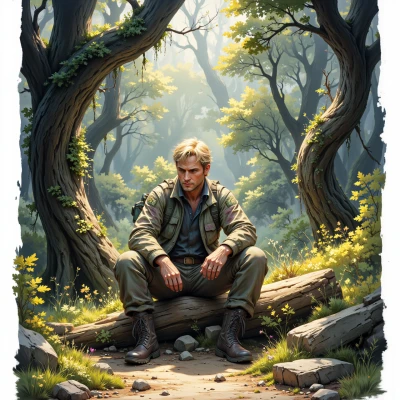 Hunter
I noticed a subtle trail pattern in the woods that only a few seasons would reveal—do you think a VR setup could capture those minute details enough to make a realistic survival training tool?
 Fluxis
Absolutely, I think we could map those faint lines into a high‑resolution texture atlas and use adaptive LOD so the subtlety shows up only when the user’s focus narrows. With eye‑tracking, the system could even highlight the trail when you’re on the cusp of spotting it. It’d be a next‑level training tool, but I’ll need to double‑check the data fidelity—got to make sure the VR isn’t glossing over the fine details.
Hunter
Sounds solid—just remember the hardest clues are often the ones that don’t stand out at all. If the system can keep those subtle cues alive, it’ll train the eye to notice what the mind normally ignores. Keep an eye on the data, too; the smallest distortion can throw off an entire hunt.
Fluxis
You're right, those invisible hints are the real game‑changers. If we can lock in the tiny color shifts and texture shifts, the system will nudge the user to notice what they usually miss. I’ll keep the data pipelines clean—no room for glitches in a hunt that hinges on a single pixel. Let's make the VR so subtle that users start catching clues before they even think to look.
Hunter
Sounds like a good plan—just double‑check how those tiny shifts hold up in low light or when the ground’s damp; those are the moments where even a seasoned tracker can miss a clue. Keep refining, and the system will feel as natural as following a scent.
Fluxis
Yeah, the trick is in the sensor fusion—use infrared to pick up those subtle heat signatures, plus a moisture sensor on the mesh so the VR can tweak contrast on the fly. If it’s dark or damp, the system will shift the color palette just enough to make the trail pop without breaking immersion. I’ll run some tests in a mock forest; if it feels like a natural scent trail, we’re golden.