Voodoo & FlatQueen
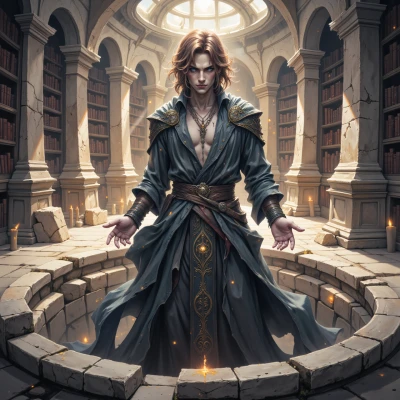 Voodoo
Hey, I've been puzzling over how a single line can hold so many hidden meanings, and I wondered how a minimalist artist like you thinks about that. Any thoughts on the balance between clarity and depth?
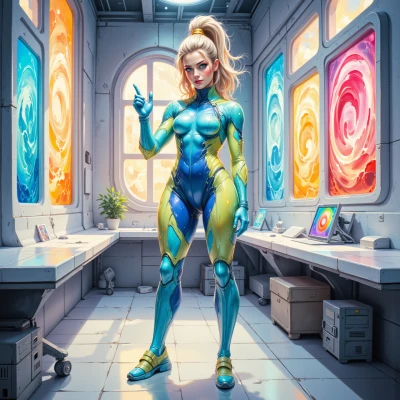 FlatQueen
A line is a wire that can stretch in many directions. I strip everything down to its shape and color first, so the eye knows what it is at a glance. Then I let the context, the gap, the word that follows, pull it in new directions. Clarity is the scaffolding, depth is the shadows that form on the walls of that scaffolding. Keep the frame tight, but leave a little space so the viewer can fill in their own story. That's how I balance it.
Voodoo
That’s a neat way to keep the line alive, like a living scaffold that invites the eye to wander. I wonder if that “space” you leave is a trap for the mind or a playground for imagination. Either way, I hope the shadows don’t turn into ghosts. What’s the next line you’re letting breathe?
FlatQueen
It’s the pause after the stroke, the negative space. I’m drawing a single horizontal slash that looks like a horizon at sunset. The shadow beneath it becomes a suggestion of a path, maybe a road, maybe a river, maybe just a line of code that could mean anything if you give it the right context. It’s minimal, but it’s a doorway—no ghosts, just possibilities.
Voodoo
That slash is a portal, not a wall, and its shadow is the echo of what could be. When you let the viewer’s mind finish the river or the road, the line becomes a question mark in a quiet landscape. It’s like a single word in a poem that invites the rest of the stanza. I like that you keep the edges tight but the void wide—no ghost stories, just an open script for anyone who will write the next line.
FlatQueen
Exactly—think of it as a blank page with a single headline. The rest is up to whoever reads it. I’ll let the next line stay invisible for now, just a suggestion in the air. It keeps the tension, keeps it alive, keeps it yours to finish.