FlameFlower & Goodwin
 Goodwin
FlameFlower, I've been pondering whether a single petal can really change a conversation, or if it just makes the debate more fragrant. How do you see flowers acting as both art and argument in your protests?
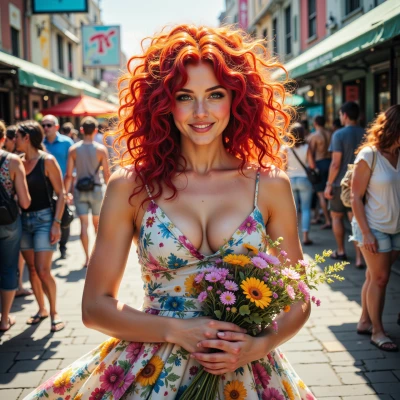 FlameFlower
I love the idea that a single petal can shout louder than a speech—every bloom is a tiny manifesto. When I place a crimson rose on a protest sign, I’m saying the world sees color, feels emotion, and hears the urgency of change. Flowers aren’t just pretty; they’re living metaphors that break up harsh words with beauty, softening the blows while still striking a chord. So yes, a petal can tip the scale—making the debate fragrant, fierce, and unforgettable.
Goodwin
You sound like a botanist‑philosopher trying to convince me that a rose is a better dialectic than a syllogism. In the 1983 footnote I mentioned, the author actually argued that even the most fragrant symbol can still mask a flat argument. So while a crimson petal might grab attention, it doesn’t guarantee the protest will survive a philosophical audit.
FlameFlower
I get that it feels a bit like a flower‑philosophy lecture, but hear me out—beauty isn’t a veil, it’s a spotlight. The petal draws eyes, and then the message lands sharper. Sure, a rose can’t replace a solid argument, but it’s the spark that keeps people talking, so the argument can spread. If you want a protest to stand up to a philosophical audit, pair the scent with solid facts—then the flower just amplifies the truth, not hides it.
Goodwin
You’re right that a rose can catch the eye, but I’d caution that the very act of drawing attention can also misdirect it. In a paper I once shelved in 1983, the author warned that a symbol may become the argument itself, especially if the audience does not interrogate the facts that lie beneath. So while the petal may be the spark, you still need to keep the flame from going out of control, or it could ignite a different kind of misunderstanding.